
§01 · SEAL Indonesia · rPET Cup & Bowl

Joint operation · Dedicated line · SEAL-owned molds

rPET cups and bowls for national brands.

Bring recycled material targets into everyday packaging. SEAL connects cup and bowl specifications, testing, branding and supply planning in one rPET programme.

Company · application · size · monthly forecast

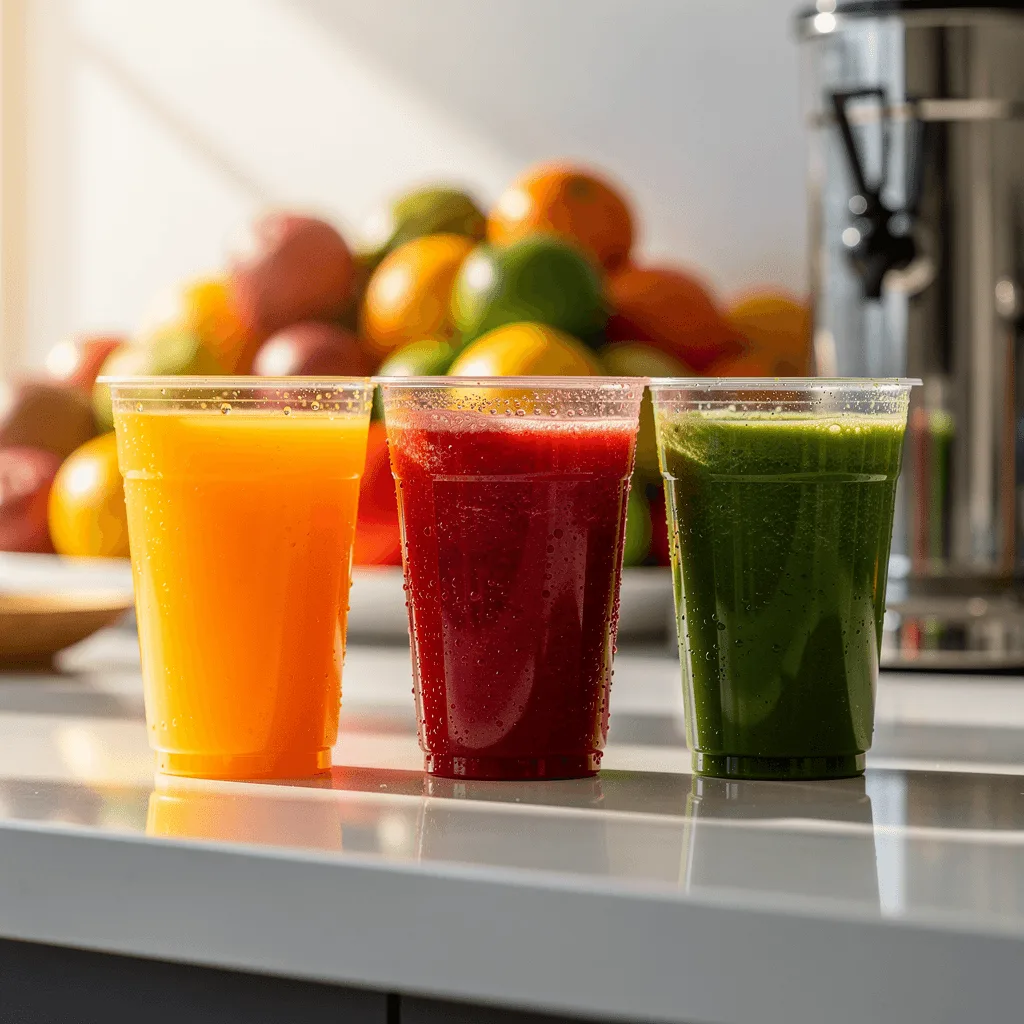
Clear cold-beverage cup application illustration
Application illustration. Shape, lid and rPET content follow the approved specification.

§02 · Production capabilities

Production and testing for your rPET programme.

rPET production through a joint operation, with a dedicated line and SEAL-owned molds. Brand, procurement and QA teams can coordinate their product requirements through SEAL.

Joint operation
SEAL’s rPET production model for cup and bowl programmes.
Dedicated line
A dedicated production line supports planning for forecasts, schedules and recurring requirements.
SEAL-owned molds
Mold ownership supports format development and production planning.
Group laboratory
Group testing facilities support material, dimensional and packaging performance reviews according to project needs.
Explore group testing facilities and quality control →

§03 · Product lines

rPET formats for cold beverages and chilled food.

CUP / BEVERAGE / DESSERT

rPET Cups

SEAL Indonesia supplies rPET, or recycled PET, cups for FMCG brands, QSR and beverage chains. Procurement teams can review recycled content, dimensions, matching lids, branding options and the supply plan in one brief.

View product lines and specifications →

BOWL / SALAD / FRUIT / DELI

rPET Bowls

SEAL rPET bowl programmes connect clear packaging requirements with procurement for QSR, restaurant groups, FMCG and modern retail. Define serving size, display dimensions, lid, storage conditions and material documentation from the start.

View product lines and specifications →

§04 · Supplier and material transition

From a reference sample to recurring supply.

Use your current specification to start the evaluation. A per-SKU approach helps teams test rPET, qualify a second supplier or plan a phased supply transition.

  1. 01

    Brief and reference specification

    Send your current sample or drawing, target recycled content, monthly volume per SKU and distribution locations. SEAL maps the cup or bowl and its matching components.

  2. 02

    Material and document review

    Review composition, dimensions, weight, food-contact use and the document scope required by procurement and QA. Testing needs are defined for the product application.

  3. 03

    Samples and operational testing

    Use samples to assess appearance, portions, lid fit, filling, stacking and outlet or distribution handling. Agree acceptance criteria before a production order.

  4. 04

    Quotation and rollout

    Set the final specification, MOQ, price, schedule and delivery plan per SKU. Start with one priority item and develop a recurring supply or second-source programme.

rPET procurement guide: materials, documents and sample testing →

Download the rPET RFQ specification template (CSV)

§05 · Specification and quotation

rPET procurement programme parameters.

Production model
rPET production through a joint operation, with a dedicated line and SEAL-owned molds.
Recycled content
Defined per SKU in the quotation and supporting documentation
Dimensions and lids
Capacity, diameter, weight and matching lids reviewed from the brief or sample
MOQ
Confirmed per size, material and design
Samples and production
Schedule set after specification review and material and mold availability check
Product documents
Food contact, composition and traceability requirements reviewed per SKU and available document scope
Quotation
Price, components, schedule and delivery based on the agreed specification and forecast

§06 · Procurement questions

Questions about SEAL rPET.

What is rPET and how does it differ from PET?

rPET is PET sourced from recycled PET material. Recycled content in a cup or bowl is defined per specification. Similar appearance to PET does not establish material composition; use the specification and supporting documents for assessment.

How does SEAL produce rPET packaging?

SEAL runs rPET production through a joint operation, with a dedicated line and SEAL-owned molds. Cup and bowl programmes are planned around the application, material requirements, volume per SKU and customer schedule.

What is the recycled content of SEAL rPET cups and bowls?

Recycled content is confirmed in the quotation and specification for the selected SKU. Include your target recycled content and required documentation in the brief so the composition and supporting evidence can be reviewed before approval.

Can rPET be used for food contact?

Food-contact suitability is assessed against the material source, recycling process, product construction, food type and conditions of use. Request documents applicable to the offered SKU; a company certificate alone does not establish suitability for every cup and bowl.

Can sizes, lids and branding be customised?

Yes, size, lid and decoration requirements can be included in an rPET programme. Send a drawing or reference sample, monthly volume and artwork. Mold options, final dimensions, decoration method and lid fit are reviewed before the final quotation.

What are the MOQ and lead time for rPET products?

rPET MOQ, sample schedule and lead time are set per specification, material requirement, mold and order volume. SEAL prepares a quotation after receiving the size, application, volume per SKU, target recycled content and required schedule.

How can we switch from our current cup or bowl supplier?

Send the current sample or drawing, lid specification, application and forecast per SKU. A programme can begin with one SKU for material assessment, operational fit testing, sample approval and phased ordering or a second-source arrangement.

Does rPET mean biodegradable or guaranteed to be recycled?

rPET describes recycled material input. It does not mean biodegradable or automatically recycled after use. Collection, sorting, packaging condition and acceptance by local facilities determine the actual recovery route.
§07 · Start your rPET programme

An rPET specification for your brand.

Send your cup or bowl requirements, reference sample and forecast per SKU. SEAL prepares the material review, format options, testing requirements and project quotation.

Include your company, application, size and monthly forecast. A current sample or drawing helps the specification review.