
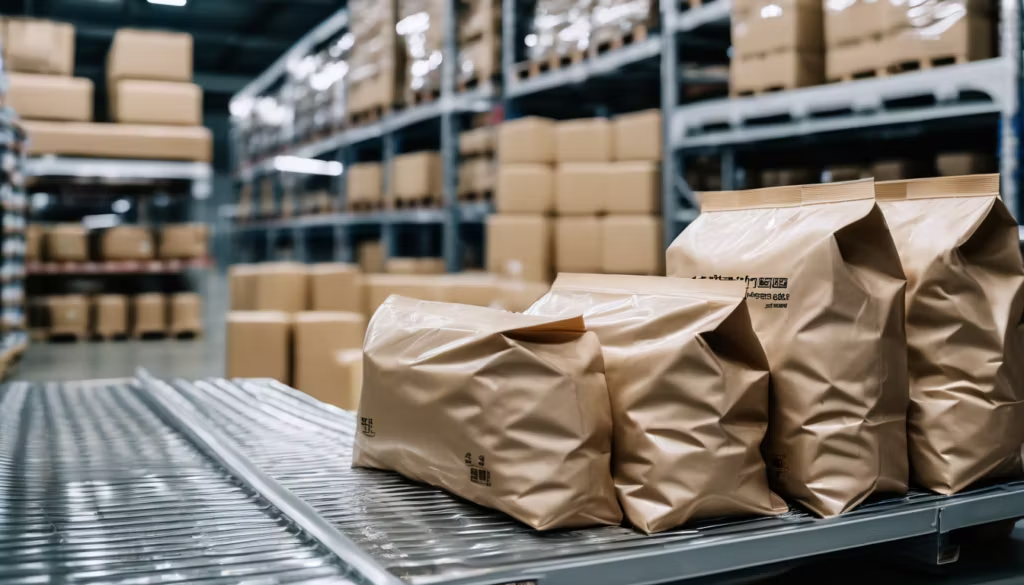
Temperature Retention: Choosing the Right Thermal Bags for Your Food Business
In the competitive food service industry, maintaining optimal food temperature during delivery and transport isn’t just about quality—it’s about customer satisfaction, food safety, and business success. With food delivery services experiencing unprecedented growth, choosing the right thermal insulation bag has become a critical decision for restaurants, cafes, and catering businesses.
Poor temperature retention can lead to customer complaints, food waste, and potential health risks. The wrong thermal bag can turn a perfectly prepared meal into a disappointing experience. This comprehensive guide will help you navigate the essential factors in selecting thermal bags that work seamlessly with your existing packaging solutions, from take away food containers to specialized beverage packaging.
Understanding Thermal Insulation Technology
Modern thermal insulation bags utilize advanced materials and design principles to maintain food temperature. The most effective bags feature multiple insulation layers, including reflective barriers and high-density foam insulation.
Key Insulation Materials
- Reflective aluminum lining: Reflects heat back to food items, similar to technology used in aluminium laminated cups
- Closed-cell foam: Provides excellent thermal barrier properties
- Polyethylene foam: Lightweight yet effective insulation
- Vacuum-sealed panels: Premium option for maximum temperature retention
Quality thermal bags can maintain hot food temperatures above 140°F (60°C) for up to 4 hours and keep cold items below 40°F (4°C) for similar durations. This performance is crucial when combined with proper packaging like aluminium foil lined paper cups for beverages.
Size and Capacity Considerations
Selecting the appropriate size thermal bag directly impacts both temperature retention and operational efficiency. Bags that are too large allow excess air circulation, reducing thermal efficiency, while oversized bags increase delivery costs.
Standard Size Categories
- Individual meal bags (12-15L): Perfect for single orders with containers and beverages
- Family meal bags (20-25L): Accommodates multiple containers and large orders
- Catering bags (40L+): Designed for bulk food transport and catering services
- Beverage-specific bags: Tall, narrow design optimized for cup carriers
Consider your typical order size and packaging requirements. If your business frequently uses various container sizes alongside custom logo paper cup printing options, choose bags with adjustable dividers or modular compartments.
Material Quality and Durability Factors
The exterior material of your thermal bags affects both longevity and professional appearance. High-quality materials ensure your investment pays off through extended use while maintaining your brand image.
Exterior Material Options
- Heavy-duty nylon: Excellent durability and water resistance
- Reinforced polyester: Balance of cost and performance
- Vinyl-backed fabric: Easy cleaning and sanitization
- Canvas material: Professional appearance with good durability
Look for reinforced stitching, heavy-duty zippers, and reinforced handles. Quality thermal bags should withstand daily use for at least 12-18 months. This durability is especially important when paired with quality packaging solutions that require careful handling.
Temperature Performance Requirements
Different food types require specific temperature maintenance standards. Understanding these requirements helps you select bags that complement your menu offerings and packaging choices.
Hot Food Requirements
Hot foods should maintain temperatures above 140°F (60°C) to ensure food safety. Premium thermal bags can keep properly packaged hot foods at serving temperature for 2-4 hours, depending on:
- Initial food temperature when packed
- Ambient temperature conditions
- Bag fill capacity and air gaps
- Container material and insulation properties
Cold Food and Beverage Standards
Cold items require consistent temperatures below 40°F (4°C). This is particularly important for businesses serving cold beverages in specialized packaging or biodegradable food packaging that may have different thermal properties than traditional materials.
When working with a reputable paper cup manufacturer like SEAL Indonesia, you can coordinate thermal bag selection with your cup specifications to optimize overall temperature retention performance.
Business-Specific Selection Criteria
Your specific business model influences thermal bag requirements. Catering operations have different needs than quick-service restaurants or coffee shops.
Restaurant and Fast Food Chains
- Focus on quick loading and unloading
- Multiple compartments for different food types
- Easy cleaning and sanitization features
- Standardized sizes for operational efficiency
Coffee Shops and Beverage Outlets
- Tall, narrow designs for cup carriers
- Spill-resistant interior lining
- Quick-access openings for rapid service
- Compatibility with various cup sizes and holders
Delivery Services
- Lightweight construction for driver comfort
- External pockets for accessories and documentation
- Reflective strips for safety
- Stackable design for vehicle organization
Cost-Effectiveness and ROI Analysis
While initial cost is important, evaluating thermal bags requires considering long-term value. Quality bags reduce food waste, improve customer satisfaction, and decrease replacement costs.
Calculating True Value
Consider these factors when evaluating thermal bag investments:
- Durability lifespan: Quality bags lasting 18+ months vs. cheap alternatives requiring frequent replacement
- Food waste reduction: Better temperature retention reduces waste from temperature-compromised food
- Customer retention: Consistent food quality improves customer satisfaction and repeat business
- Operational efficiency: Well-designed bags speed up packing and delivery processes
Professional food businesses benefit from coordinating thermal bag selection with their overall packaging supplier strategy to ensure compatibility and optimize performance across all packaging components.
Maintenance and Care Best Practices
Proper maintenance extends thermal bag life and ensures consistent performance. Establish cleaning protocols that maintain hygiene standards while preserving insulation properties.
Daily Maintenance
- Wipe interior surfaces with food-safe sanitizing solution
- Check zippers and closures for proper function
- Inspect for wear, tears, or insulation damage
- Allow complete air drying between uses
Deep Cleaning Procedures
- Weekly thorough cleaning with approved detergents
- Inspect and replace worn components
- Check insulation integrity and compression
- Document maintenance for quality control
Conclusion
Selecting the right thermal insulation bags requires careful consideration of your specific business needs, menu requirements, and operational constraints. The best thermal bags seamlessly integrate with your existing packaging solutions while providing reliable temperature retention that keeps customers satisfied.
Success comes from matching bag features to your specific use case—whether you need bags optimized for beverage delivery, multi-item meals, or large catering orders. Quality thermal bags represent an investment in customer satisfaction and operational efficiency that pays dividends through reduced waste and improved service quality.
Ready to optimize your food packaging and thermal retention strategy? Contact SEAL Indonesia today for premium food packaging solutions that work perfectly with thermal bags to ensure your food arrives at the perfect temperature every time. Our expert team can help you create a comprehensive packaging system that maintains quality from kitchen to customer.