
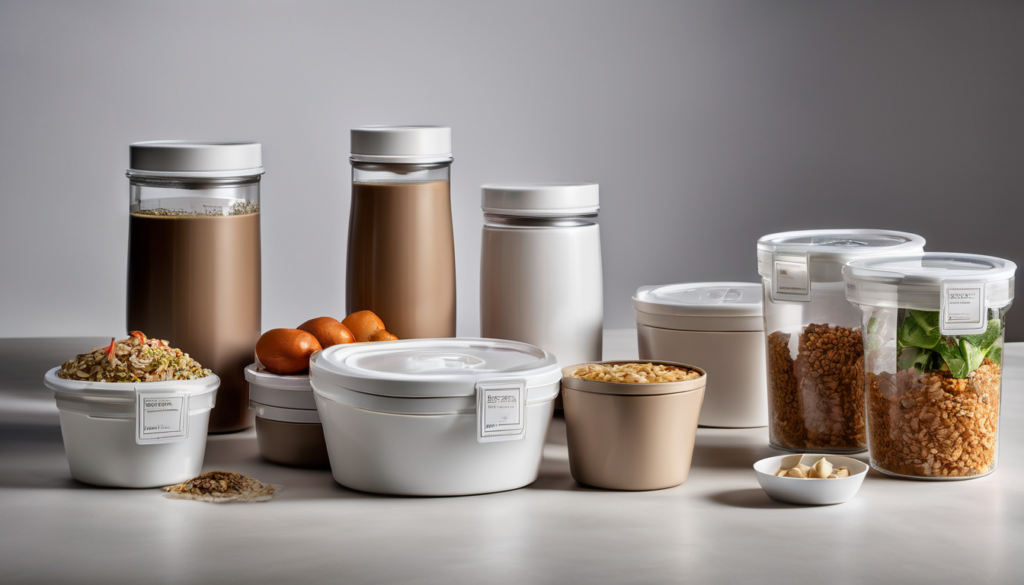
The Rise of Sustainable Food Packaging in F&B Industry
The food and beverage industry is experiencing a revolutionary shift toward sustainable food packaging solutions. As consumer awareness about environmental impact grows, businesses are increasingly seeking eco-friendly alternatives to traditional packaging materials. This transformation is particularly evident in Indonesia, where restaurants, coffee shops, and food delivery services are adopting greener packaging practices to meet both regulatory requirements and customer expectations.
Why Sustainable Food Packaging Matters in Today’s Market
The demand for environmentally conscious packaging solutions has reached unprecedented levels. Modern consumers are making purchasing decisions based on a company’s environmental commitment, making sustainable packaging a critical business strategy rather than just an optional consideration.
Consumer Behavior Driving Change
Recent market research indicates that over 73% of Indonesian consumers are willing to pay premium prices for products packaged in environmentally friendly materials. This shift in consumer behavior is compelling F&B businesses to reconsider their packaging choices, particularly for disposable food containers and beverage packaging.
Regulatory Pressures and Compliance
Government regulations across Southeast Asia are becoming stricter regarding single-use plastics and non-biodegradable packaging materials. Businesses that proactively adopt sustainable packaging solutions position themselves ahead of regulatory changes while building positive brand reputation.
Types of Sustainable Food Packaging Solutions
The sustainable packaging landscape offers diverse options for different F&B applications, each with unique benefits and applications.
Paper-Based Packaging Solutions
Paper packaging represents one of the most versatile and widely adopted sustainable alternatives. A reputable paper cup manufacturer can provide various options including:
- Biodegradable paper cups – Perfect for coffee shops and beverage retailers
- Compostable food containers – Ideal for takeaway restaurants and food delivery services
- Water-resistant paper bowls – Suitable for soup and noodle establishments
- Eco-friendly ice cream cups – Essential for ice cream parlors and dessert shops
Working with an experienced ice cream cup manufacturer ensures access to food-grade, sustainable packaging that maintains product quality while supporting environmental goals.
Advanced Sustainable Materials
Innovation in packaging materials has introduced sophisticated eco-friendly options. Aluminium laminated cups combine sustainability with superior performance, offering excellent heat retention for hot beverages while remaining recyclable. These advanced solutions bridge the gap between environmental responsibility and functional requirements.
Benefits of Adopting Sustainable Food Packaging
The transition to sustainable packaging delivers measurable benefits across multiple business dimensions, making it a strategic investment rather than merely an expense.
Enhanced Brand Image and Customer Loyalty
Businesses that embrace sustainable packaging often experience improved customer loyalty and brand perception. When partnering with an eco friendly coffee cup Indonesia supplier, coffee chains can communicate their environmental commitment directly to customers, creating emotional connections that drive repeat business.
Cost Efficiency Through Smart Sourcing
Contrary to common misconceptions, sustainable packaging can be cost-effective when sourced strategically. A reliable wholesale food packaging supplier Jakarta can provide competitive pricing on bulk orders while ensuring consistent quality and supply chain reliability. Learn more about optimizing packaging costs without compromising quality.
Operational Advantages
Sustainable packaging often offers operational benefits including:
- Simplified waste management – Biodegradable materials reduce waste disposal complexity
- Supply chain resilience – Diverse material sources reduce dependency risks
- Regulatory compliance – Proactive adoption prevents future compliance issues
- Marketing opportunities – Sustainable practices provide authentic marketing content
Implementation Strategies for F&B Businesses
Successfully transitioning to sustainable packaging requires strategic planning and careful execution to ensure minimal disruption while maximizing benefits.
Gradual Transition Approach
Smart businesses implement sustainable packaging gradually, starting with high-visibility items like beverage cups before expanding to other packaging categories. This approach allows for:
- Customer education and acceptance building
- Supply chain optimization and testing
- Cost impact assessment and budgeting
- Staff training and process adaptation
Supplier Partnership Importance
Choosing the right packaging supplier is crucial for sustainable packaging success. When selecting a coffee cup supplier, consider factors such as:
- Environmental certifications and compliance standards
- Customization capabilities for brand alignment
- Supply chain reliability and scalability
- Technical support and consultation services
Understanding how major coffee chains select their cup suppliers can provide valuable insights for making informed decisions.
Future Trends in Sustainable Food Packaging
The sustainable packaging industry continues evolving with emerging technologies and innovative materials reshaping possibilities for F&B businesses.
Smart Packaging Integration
Advanced sustainable packaging increasingly incorporates smart features like temperature indicators, freshness sensors, and QR codes for traceability. These innovations enhance food safety while maintaining environmental benefits.
Circular Economy Models
Forward-thinking businesses are exploring circular economy approaches, including:
- Reusable packaging programs with customer incentives
- Packaging return and refill systems
- Collaboration with recycling facilities for closed-loop solutions
- Investment in packaging material recovery and reprocessing
For businesses looking to optimize their delivery operations alongside sustainable packaging, exploring thermal insulation bag benefits can provide comprehensive solutions that address both sustainability and functionality.
Overcoming Common Implementation Challenges
While the benefits of sustainable packaging are clear, businesses often face practical challenges during implementation that require strategic solutions.
Cost Management Strategies
Initial cost concerns can be addressed through:
- Volume purchasing agreements with trusted suppliers
- Phased implementation to spread costs over time
- Supplier partnerships for flexible payment terms
- Cost-benefit analysis including long-term savings and brand value
Quality Assurance Considerations
Maintaining food safety and quality standards while using sustainable packaging requires careful supplier selection and ongoing quality monitoring. Professional packaging suppliers provide necessary certifications and testing documentation to ensure compliance with food safety regulations.
Conclusion
The rise of sustainable food packaging in Indonesia’s F&B industry represents both an environmental imperative and a significant business opportunity. Companies that embrace eco-friendly packaging solutions position themselves for long-term success while contributing to environmental preservation. From biodegradable disposable food containers to innovative aluminium laminated cups, sustainable packaging options continue expanding to meet diverse industry needs.
Success in sustainable packaging implementation requires partnering with experienced suppliers who understand both environmental requirements and business operational needs. The investment in sustainable packaging delivers measurable returns through enhanced brand reputation, customer loyalty, and regulatory compliance.
Ready to transform your packaging strategy with sustainable solutions? Contact SEAL Indonesia today for premium food packaging solutions that align with your environmental goals and business objectives. Our comprehensive range of eco-friendly packaging options and expert consultation services help F&B businesses make smooth transitions to sustainable packaging while maintaining quality and cost efficiency.