
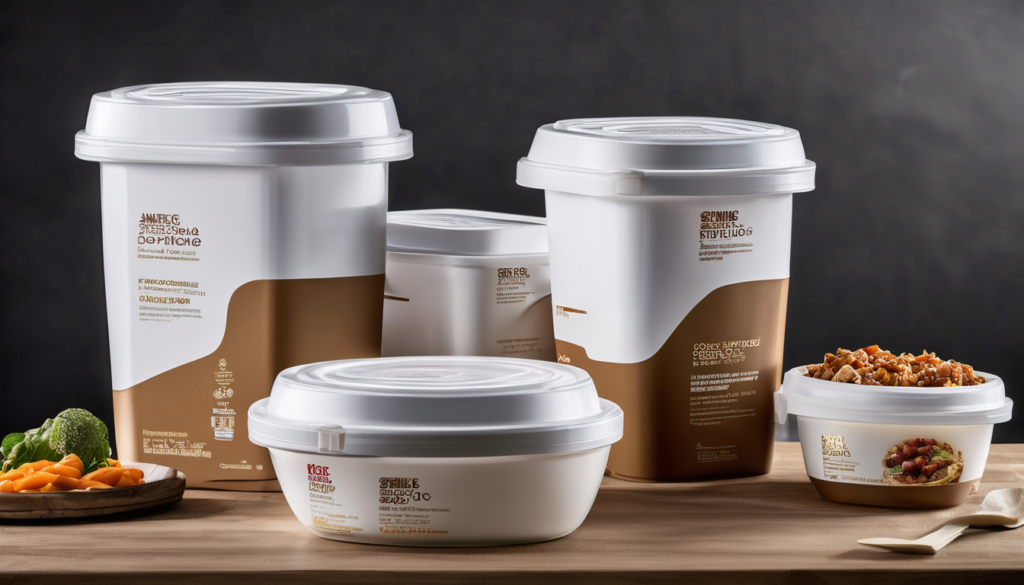
Restaurant Packaging Solutions for Cost Efficiency
Restaurant owners face mounting pressure to reduce operational costs while maintaining high service standards. With food packaging representing 3-8% of total restaurant expenses, choosing the right disposable food container and beverage packaging solutions becomes crucial for profitability. Modern restaurants need packaging strategies that balance cost-efficiency with quality, sustainability, and brand representation.
The challenge extends beyond simply finding the cheapest options. Smart restaurant operators understand that effective packaging solutions must protect food quality, enhance customer experience, and support operational efficiency while keeping costs manageable.
Understanding Restaurant Packaging Cost Factors
Several key factors influence packaging costs in restaurant operations. Understanding these elements helps operators make informed decisions that optimize their packaging budget.
Volume and Bulk Purchasing Benefits
Purchasing packaging in bulk quantities significantly reduces per-unit costs. Restaurants using 1,000+ hot beverage cups monthly can achieve 15-25% cost savings through wholesale ordering. However, storage space and cash flow considerations must balance against these savings.
Product Specifications Impact
The type and quality of packaging materials directly affect costs:
- Standard paper cups: Most cost-effective for basic beverage service
- Aluminium foil lined paper cup: Higher initial cost but superior heat retention
- Multi-compartment containers: More expensive but reduce need for separate items
- Custom printed options: Higher upfront costs but provide marketing value
For detailed guidance on making these choices, review our comprehensive Complete Guide to Food-Grade Paper Packaging Solutions.
Strategic Packaging Selection for Different Service Types
Different restaurant service models require tailored packaging approaches to maximize cost efficiency.
Dine-In with Takeaway Options
Restaurants offering both dine-in and takeaway services benefit from versatile packaging solutions. Take away food container options that work for both hot and cold items reduce inventory complexity and associated costs. Consider containers that stack efficiently for storage and transport well for delivery services.
Fast-Casual and Quick Service
High-volume quick service operations require packaging that balances speed, cost, and functionality. Our analysis of Fast Food Packaging: Balancing Cost and Quality reveals that standardizing on fewer packaging types while ensuring versatility creates significant cost savings.
Coffee Shops and Beverage-Focused Operations
Beverage-centric businesses should prioritize cup quality and thermal performance. While premium aluminium foil lined paper cups cost 20-30% more than standard options, they enhance customer satisfaction and reduce waste from temperature-related issues.
Leveraging Eco-Friendly Solutions for Cost Benefits
Eco-friendly food packaging increasingly offers cost advantages beyond environmental benefits. Government incentives, customer preference shifts, and operational efficiencies create multiple value streams.
Long-Term Cost Advantages
Sustainable packaging solutions often provide:
- Regulatory compliance: Avoiding potential fines and restrictions
- Customer loyalty: Attracting environmentally conscious consumers
- Operational efficiency: Simplified waste management processes
- Brand differentiation: Premium positioning supporting higher margins
Paper-Based Solutions
Working with an established paper cup manufacturer provides access to innovative, cost-effective alternatives to plastic packaging. Modern paper packaging offers comparable functionality at competitive prices while meeting sustainability requirements.
Maximizing Brand Value Through Custom Packaging
Strategic use of custom logo paper cup printing and branded containers transforms packaging costs from pure expense into marketing investment.
Marketing ROI Calculations
Custom branded packaging generates measurable marketing value:
- Brand impressions: Each cup or container creates 2-3 brand exposures
- Word-of-mouth marketing: Quality packaging encourages sharing and recommendations
- Customer retention: Professional presentation builds trust and loyalty
- Social media visibility: Attractive packaging encourages customer photos and posts
Learn more about effective strategies in our guide on Custom Branding Paper Cups: Complete Marketing Guide.
Balancing Custom Options with Cost Control
Smart restaurants implement tiered custom packaging strategies:
- High-visibility items: Full custom branding for cups and bags
- Standard containers: Simple logo application or generic options
- Internal packaging: Cost-focused, unbranded solutions
Supplier Relationship Management for Cost Optimization
Developing strong partnerships with packaging suppliers creates opportunities for significant cost savings and operational improvements.
Negotiation Strategies
Effective supplier negotiations focus on:
- Volume commitments: Guaranteed purchase quantities for better pricing
- Payment terms: Early payment discounts and flexible scheduling
- Inventory management: Just-in-time delivery reducing storage costs
- Product development: Collaborative custom solutions
Quality Assurance and Consistency
Reliable suppliers ensure consistent product quality, reducing waste from defective packaging. This reliability factor often justifies slightly higher per-unit costs through reduced operational disruptions and customer complaints.
Implementation and Monitoring Strategies
Successful packaging cost optimization requires systematic implementation and ongoing monitoring.
Cost Tracking Systems
Implement tracking mechanisms to monitor:
- Per-unit packaging costs across different suppliers and products
- Usage patterns to optimize ordering and reduce waste
- Customer feedback related to packaging quality and functionality
- Total cost of ownership including storage and handling expenses
Continuous Improvement Process
Regular review cycles should evaluate:
- Supplier performance and pricing competitiveness
- New product innovations and cost-saving opportunities
- Changing regulatory requirements and market trends
- Customer preferences and feedback patterns
Conclusion
Cost-efficient restaurant packaging solutions require strategic thinking beyond simple price comparison. Successful operators balance immediate costs with long-term value creation through quality, sustainability, and brand enhancement. The most effective approaches integrate supplier partnerships, custom branding opportunities, and operational efficiency improvements.
Modern restaurants that invest in comprehensive packaging strategies typically achieve 10-20% cost reductions while improving customer satisfaction and operational efficiency. This dual benefit creates sustainable competitive advantages in increasingly challenging market conditions.
Ready to optimize your restaurant’s packaging costs while maintaining quality standards? Contact SEAL Indonesia today for premium food packaging solutions tailored to your specific operational needs and budget requirements. Our team of packaging experts will help you develop cost-efficient strategies that support your business growth objectives.