
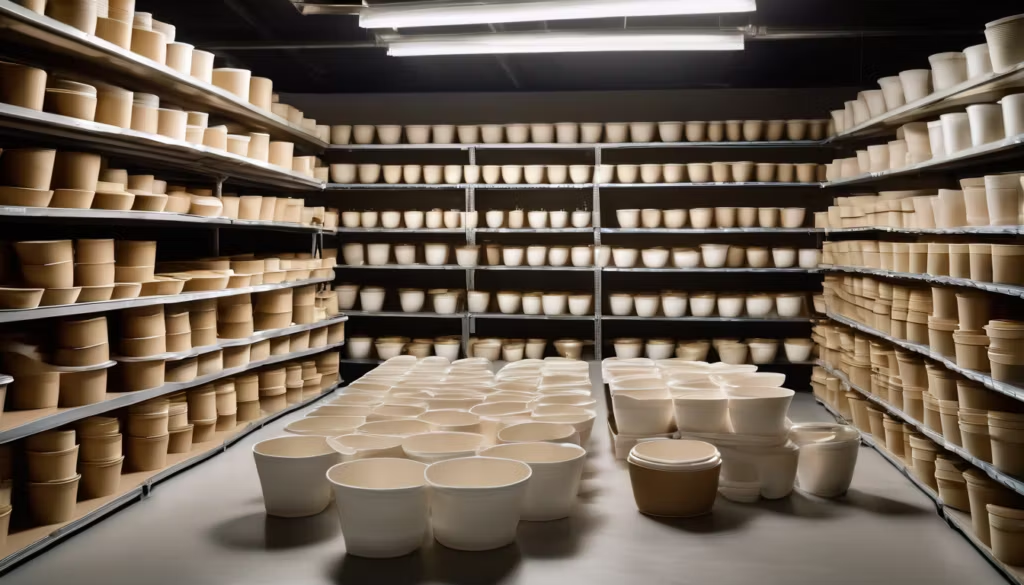
Proper storage of paper food containers is crucial for maintaining product quality, ensuring food safety, and maximizing your investment in eco-friendly food packaging. Whether you’re a restaurant chain, coffee shop, or catering service, understanding how to store your paper containers correctly can significantly impact your operational efficiency and customer satisfaction.
As businesses increasingly shift toward sustainable packaging solutions, working with a reliable paper bowl supplier Indonesia becomes essential, but equally important is knowing how to preserve these containers until they’re ready for use.
Understanding Paper Container Storage Requirements
Paper food containers require specific storage conditions to maintain their structural integrity and hygiene standards. Unlike plastic alternatives, paper-based packaging is more sensitive to environmental factors that can affect performance.
Key Environmental Factors
- Humidity Control: Keep storage areas below 60% relative humidity to prevent warping and moisture absorption
- Temperature Stability: Maintain consistent temperatures between 15-25°C (59-77°F)
- Air Circulation: Ensure adequate ventilation to prevent condensation buildup
- Light Protection: Store away from direct sunlight to prevent degradation of printing and materials
Specialized containers like aluminium foil lined paper cup products require extra attention due to their composite materials, which can be affected by temperature fluctuations.
Optimal Storage Conditions for Different Container Types
Standard Paper Bowls and Cups
Regular paper containers from your trusted coffee cup supplier should be stored in their original packaging until use. Stack containers no more than 10 boxes high to prevent crushing, and ensure the bottom boxes can support the weight above.
Insulated and Thermal Containers
For businesses using insulated food container for catering services, these products require extra care due to their multi-layer construction. Store them:
- In moisture-proof areas with dehumidifiers if necessary
- Away from heat sources that could affect the insulation properties
- In original protective packaging to maintain shape integrity
- With regular rotation using first-in, first-out inventory methods
Biodegradable Containers
Biodegradable food packaging requires the most careful storage approach. These containers are designed to break down under specific conditions, making proper storage critical:
- Keep in consistently dry environments (humidity below 50%)
- Avoid temperature extremes that could trigger decomposition processes
- Use shorter storage periods compared to conventional paper containers
- Implement strict first-in, first-out rotation policies
Storage Infrastructure and Setup
Warehouse Organization
Proper warehouse setup is fundamental for container preservation. Create dedicated zones for different packaging types, with climate-controlled areas for sensitive products. As outlined in our guide on choosing the right packaging supplier, proper storage capabilities should be part of your supplier evaluation criteria.
Inventory Management Systems
Implement digital tracking systems to monitor:
- Storage duration for each batch
- Environmental conditions in real-time
- Container rotation schedules
- Quality inspection dates
Complementary Storage Equipment
Don’t forget about related items like thermal insulation bag products, which require similar storage considerations. These items should be stored flat or properly supported to maintain their insulation properties and prevent creasing that could affect performance.
Quality Control and Inspection Protocols
Regular Assessment Schedule
Establish weekly inspection routines to check for:
- Signs of moisture damage or warping
- Structural integrity of stacked containers
- Cleanliness of storage areas
- Proper labeling and organization
Documentation and Compliance
Maintain detailed records of storage conditions, especially important for businesses following our catering packaging requirements guidelines. This documentation helps ensure food safety compliance and quality consistency.
Common Storage Mistakes to Avoid
Moisture-Related Issues
The most common mistake is inadequate moisture control. Paper containers stored in humid conditions can:
- Lose structural strength
- Develop mold or bacterial growth
- Become unsuitable for food contact
- Affect the performance of specialized coatings
Improper Stacking
Overstacking containers leads to crushing, deformation, and potential contamination. Follow manufacturer guidelines for maximum stacking heights and weight limits.
Temperature Fluctuations
Rapid temperature changes can cause condensation inside packaging, leading to quality degradation. This is particularly important for understanding how temperature control affects packaging performance.
Cost-Effective Storage Solutions
Implementing proper storage doesn’t have to break your budget. Consider these cost-effective approaches:
Shared Storage Facilities
For smaller businesses, shared warehouse space with climate control can be more economical than building dedicated storage facilities.
Seasonal Ordering
Work with your supplier to optimize ordering schedules, reducing long-term storage needs while maintaining adequate inventory levels.
Progressive Storage Investment
Start with basic climate control and gradually invest in more sophisticated monitoring and storage systems as your business grows.
Conclusion
Proper storage of paper food containers is an investment in product quality, food safety, and operational efficiency. By maintaining optimal environmental conditions, implementing systematic organization, and following regular inspection protocols, businesses can maximize the value of their eco-friendly packaging investments.
Success in food packaging storage requires attention to detail, proper infrastructure, and partnership with reliable suppliers who understand these requirements. Whether you’re storing standard paper bowls, insulated containers, or biodegradable options, the principles remain consistent: control moisture, maintain stable temperatures, ensure proper ventilation, and implement systematic quality checks.
Contact SEAL Indonesia today for premium food packaging solutions and expert guidance on storage best practices. Our team understands the unique requirements of different container types and can help you develop storage protocols that protect your investment while ensuring consistent quality for your customers.