
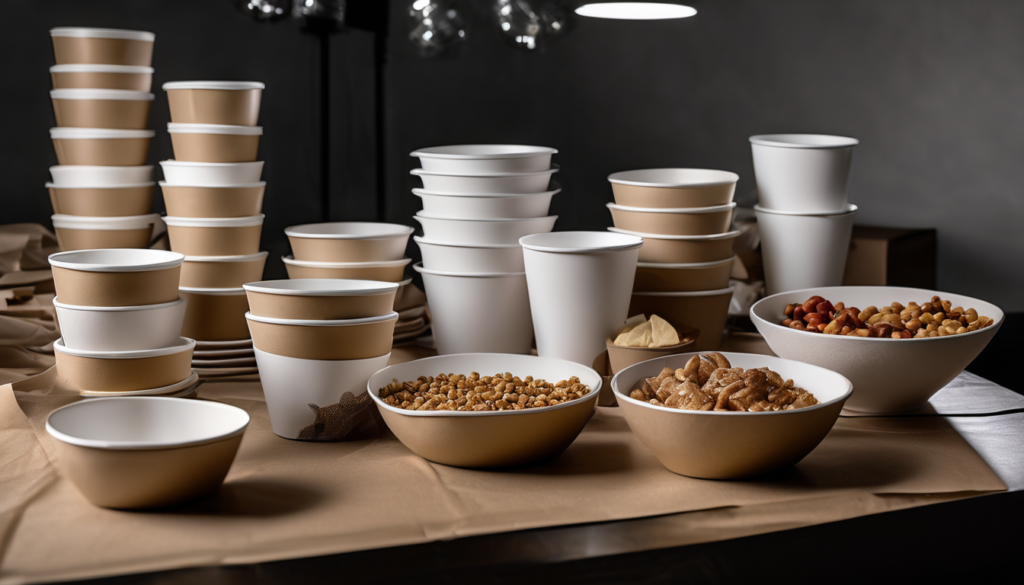
Proper Storage for Paper Food Containers: Expert Guide
In Indonesia’s rapidly growing food and beverage industry, maintaining the quality and integrity of food packaging Indonesia supplies is crucial for business success. Improper storage of paper food containers can lead to contamination, structural damage, and significant financial losses. Whether you operate a bustling coffee shop, restaurant chain, or food delivery service, understanding proper storage techniques for your paper packaging inventory is essential for maintaining food safety standards and operational efficiency.
This comprehensive guide will walk you through professional storage methods that protect your investment in eco-friendly food packaging while ensuring consistent quality for your customers.
Understanding Paper Food Container Vulnerability
Paper-based packaging materials require specific storage conditions due to their inherent characteristics. Unlike plastic alternatives, food grade paper packaging is sensitive to environmental factors that can compromise both structural integrity and food safety compliance.
Common Storage Challenges
- Moisture absorption: Paper containers readily absorb humidity, leading to warping, weakening, and potential mold growth
- Temperature fluctuations: Extreme temperatures can affect adhesive bonds and coating integrity
- Physical damage: Improper stacking and handling can cause crushing, tearing, or deformation
- Contamination risks: Exposure to dust, pests, or chemical vapors can render containers unsafe for food contact
Professional food service operators understand that proper storage begins the moment containers arrive at their facility. This includes everything from basic paper cups to specialized soup bowl packaging designed for hot food applications.
Essential Environmental Controls for Storage Areas
Creating the optimal storage environment is fundamental to preserving paper container quality. The storage area should maintain consistent conditions that protect against the primary threats to paper packaging integrity.
Temperature and Humidity Management
Maintain storage areas between 15-25°C (59-77°F) with relative humidity levels of 45-65%. This range prevents moisture-related issues while avoiding excessive dryness that can make paper brittle. Install hygrometers to monitor conditions continuously, and consider dehumidification systems in naturally humid environments.
Air Circulation and Ventilation
Proper air circulation prevents stagnant conditions that promote mold and mildew growth. Ensure storage areas have adequate ventilation without creating drafts that could introduce contaminants. Position storage away from kitchen exhaust systems or areas with strong odors that paper can absorb.
Light Protection
Direct sunlight and intense artificial lighting can degrade paper coatings and affect printed designs on items like custom logo paper cup printing. Store containers in areas with controlled lighting, using UV-filtering window treatments if necessary.
Proper Stacking and Arrangement Techniques
How you arrange and stack paper containers significantly impacts their condition and accessibility. Professional storage techniques maximize space efficiency while preventing damage to your packaging inventory.
Strategic Stacking Methods
Stack containers of the same size and type together, with heavier items at the bottom. For cups and bowls, nest them carefully to prevent rim damage, but avoid over-compression that can cause permanent deformation. Limit stack heights to prevent crushing – typically no more than 1.5 meters for most paper containers.
First-In, First-Out (FIFO) System
Implement a FIFO rotation system to ensure older inventory is used before newer stock. Label storage areas with receiving dates and establish clear pathways for staff to access older inventory first. This practice is particularly important for specialized items like aluminium foil lined paper cup products that may have specific shelf life considerations.
Separation by Product Type
Different container types require specific handling considerations. Keep cold beverage cups separate from hot soup containers, and store specialty items like insulated containers in dedicated areas. This organization also streamlines inventory management and order fulfillment processes.
Protection from Contamination and Damage
Maintaining food safety standards requires vigilant protection against contamination sources. Your storage practices directly impact the safety and quality of food served to customers.
Physical Barriers and Covers
Use protective covers, plastic sheeting, or dedicated storage cabinets to shield containers from dust, debris, and airborne contaminants. Ensure covers allow for air circulation while providing adequate protection. For high-volume operations, consider investing in enclosed storage systems specifically designed for food packaging.
Pest Prevention Measures
Implement comprehensive pest control measures including regular inspections, sealed entry points, and professional pest management services. Paper packaging can attract various pests, and contamination from rodents or insects renders entire batches unusable.
Chemical Separation
Store paper containers away from cleaning chemicals, pesticides, or other non-food substances. Even sealed containers can absorb chemical odors through their packaging, potentially transferring these contaminants to food products.
Inventory Management and Quality Control
Effective inventory management ensures optimal utilization of stored paper containers while maintaining quality standards. Regular monitoring and systematic approaches prevent waste and identify potential issues before they impact operations.
Regular Inspection Protocols
Establish weekly inspection schedules to check for signs of moisture damage, pest activity, or structural deterioration. Train staff to recognize quality issues such as warping, discoloration, or coating damage that could compromise food safety.
Documentation and Record-Keeping
Maintain detailed records of inventory rotation, storage conditions, and any quality issues identified during inspections. This documentation supports food safety compliance and helps identify patterns that might indicate storage problems.
Integration with Thermal Storage Solutions
For operations using thermal insulation bag systems, coordinate storage of containers with thermal storage solutions. Understanding how different packaging components work together enhances overall food delivery quality. Learn more about optimizing thermal solutions in our comprehensive guide to thermal insulation bags.
Cost-Effective Storage Solutions
Implementing proper storage doesn’t require massive capital investment. Strategic planning and smart solutions can achieve professional results while managing costs effectively.
Modular Storage Systems
Invest in adjustable shelving systems that can accommodate different container sizes and adapt to changing inventory needs. Wire shelving promotes air circulation while providing structural support for heavy loads.
Space Optimization Strategies
Maximize vertical space utilization while maintaining accessibility. Use clear labeling systems and designated areas for different product categories. Consider mobile storage units for seasonal or overflow inventory.
Bulk Storage Considerations
For high-volume operations, coordinate with suppliers to optimize delivery schedules and reduce storage requirements. Understanding cost reduction strategies can help balance storage efficiency with operational needs.
Seasonal and Climate Considerations
Indonesia’s tropical climate presents unique challenges for paper packaging storage. Seasonal variations in humidity and temperature require adaptive storage strategies to maintain consistent quality year-round.
Monsoon Season Preparations
During high-humidity periods, increase monitoring frequency and consider supplemental dehumidification. Ensure storage areas are protected from potential water intrusion and maintain adequate air circulation to prevent condensation buildup.
Dry Season Adjustments
During drier periods, monitor for excessive brittleness in paper materials. Consider humidification if storage areas become too dry, particularly for facilities with significant air conditioning that can reduce humidity levels substantially.
Regional Adaptation
Different regions of Indonesia experience varying climate conditions. Adapt storage protocols based on local environmental factors and seasonal patterns. Coastal areas may require enhanced moisture control, while mountainous regions might need temperature management strategies.
Conclusion
Proper storage of paper food containers is a critical component of successful food service operations. By implementing comprehensive environmental controls, systematic organization methods, and regular quality monitoring, businesses can protect their packaging investments while ensuring consistent food safety standards.
The key to effective storage lies in understanding the specific vulnerabilities of paper packaging materials and creating controlled environments that address these challenges. From basic humidity control to sophisticated inventory management systems, every element contributes to maintaining the quality and integrity of your packaging supplies.
As Indonesia’s food and beverage industry continues evolving toward more sustainable packaging solutions, proper storage practices become increasingly important for maintaining the quality advantages of modern paper packaging technologies.
Ready to optimize your packaging storage and inventory management? Contact SEAL Indonesia today for premium food packaging solutions and expert guidance on implementing professional storage systems that protect your investment while supporting operational excellence. Our team of packaging specialists can help you develop customized storage strategies that meet your specific operational requirements and ensure consistent quality for your customers.