
Proper Storage for Paper Food Containers: Complete Guide for Food Businesses
In Indonesia’s rapidly growing food service industry, maintaining the quality of food packaging Indonesia products is crucial for business success. Whether you’re running a bustling restaurant, managing a coffee chain, or operating a food delivery service, improper storage of paper food containers can lead to compromised product quality, increased costs, and customer dissatisfaction. This comprehensive guide will help you implement proper storage practices to maximize the lifespan and performance of your paper packaging investments.
Understanding the Importance of Proper Paper Container Storage
Paper food containers are designed to maintain food safety and quality, but their effectiveness heavily depends on how they’re stored before use. Poor storage conditions can compromise the structural integrity of disposable food container products, affecting their ability to hold food safely and maintain temperature.
Research indicates that improperly stored paper packaging can lose up to 40% of its structural strength due to moisture exposure and temperature fluctuations. For businesses that rely on consistent packaging performance, this can translate to significant operational disruptions and customer complaints.
Key Factors Affecting Paper Container Quality
- Humidity levels: Excessive moisture can weaken paper fibers and compromise food-grade barriers
- Temperature variations: Extreme temperatures can affect coating integrity and dimensional stability
- Light exposure: UV rays can degrade certain protective coatings over time
- Physical handling: Improper stacking and handling can cause structural damage
Essential Environmental Conditions for Storage
Creating the optimal storage environment is fundamental to preserving the quality of your food grade paper packaging. Professional food service operations should maintain specific environmental parameters to ensure maximum container performance.
Temperature Control
The ideal storage temperature for paper food containers ranges between 18-24°C (64-75°F). This temperature range prevents the expansion and contraction of materials that can compromise structural integrity. Avoid storing containers near heat sources such as ovens, dishwashers, or heating vents.
Humidity Management
Maintain relative humidity levels between 45-55% in storage areas. Higher humidity can cause paper containers to absorb moisture, leading to:
- Reduced structural strength
- Compromised barrier properties
- Potential bacterial growth on container surfaces
- Difficulty in separation of stacked containers
Consider using dehumidifiers in areas with naturally high humidity, especially during Indonesia’s rainy season.
Air Circulation and Ventilation
Proper air circulation prevents the buildup of moisture and maintains consistent environmental conditions. Ensure storage areas have adequate ventilation without creating direct airflow over stored containers, which could cause contamination or drying.
Proper Physical Storage Techniques
How you physically store and handle paper containers directly impacts their usability and performance. Whether you’re storing products from a trusted paper cup manufacturer or ice cream cup manufacturer, following proper storage protocols is essential.
Stacking and Organization Methods
Implement a systematic approach to container storage:
- First In, First Out (FIFO) rotation: Use older inventory before newer shipments to prevent extended storage times
- Proper stacking height: Limit stack height to prevent crushing of bottom containers (typically 6-8 cases maximum)
- Uniform stacking: Ensure containers of the same size are stacked together to prevent uneven pressure distribution
- Clear labeling: Mark storage dates and product specifications for easy identification
Protection from Contaminants
Maintain the hygiene standards expected in food service operations by:
- Keeping containers in original packaging until use
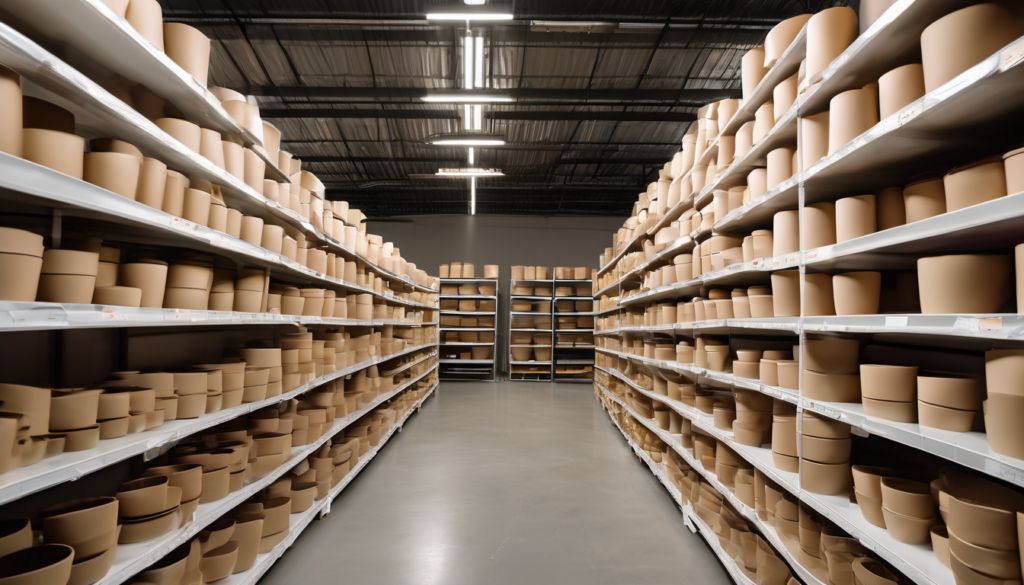
- Storing containers at least 6 inches off the floor using pallets or shelving
- Covering open packages with food-safe materials
- Regular cleaning of storage areas to prevent pest attraction
For businesses requiring specialized containers like the best paper bowl for cream soup, maintaining proper storage becomes even more critical as these products often feature specialized coatings for hot liquid applications.
Storage Solutions by Container Type
Different types of paper food containers have specific storage requirements based on their construction and intended use. Understanding these differences helps optimize storage efficiency and product performance.
Paper Cups and Beverage Containers
Paper cups, especially those with plastic linings for hot beverages, require careful handling to prevent liner separation. Store these containers:
- In a clean, dry environment away from strong odors
- With minimal handling to prevent rim damage
- In original sleeves to maintain shape and cleanliness
Many successful coffee chains work closely with suppliers to ensure proper storage protocols, as outlined in our guide on how major coffee chains choose their paper cup suppliers.
Food Bowls and Containers
Paper bowls and food containers often feature multiple layers and specialized coatings. These products benefit from:
- Vertical storage when possible to maintain shape
- Protection from pressure that could affect rim integrity
- Temperature-controlled environments to preserve coating effectiveness
Specialized Packaging Solutions
For businesses requiring comprehensive restaurant takeaway packaging solutions, consider centralized storage systems that accommodate various container types while maintaining organization and accessibility. This approach is particularly important for catering operations, as detailed in our complete guide to catering business packaging requirements.
Inventory Management and Quality Control
Effective inventory management ensures that your paper containers remain in optimal condition throughout their storage period. Implementing systematic quality control measures protects your investment and ensures consistent performance.
Regular Inspection Protocols
Establish routine inspection schedules to identify potential issues before they affect food service operations:
- Weekly visual inspections: Check for moisture damage, crushing, or contamination
- Monthly inventory audits: Verify FIFO rotation and identify slow-moving stock
- Quarterly deep assessments: Evaluate storage area conditions and equipment functionality
Documentation and Tracking
Maintain detailed records of:
- Delivery dates and storage locations
- Environmental conditions (temperature and humidity logs)
- Quality inspection results
- Usage patterns and turnover rates
This documentation helps identify trends and optimize storage practices while ensuring compliance with food safety regulations.
Common Storage Mistakes to Avoid
Even well-intentioned food service operators can make storage mistakes that compromise container quality. Understanding these common pitfalls helps prevent costly problems:
Environmental Control Failures
- Storing near heat sources: Proximity to ovens, heating units, or sunny windows can warp containers
- Ignoring humidity levels: Both excessive moisture and over-drying can affect container performance
- Poor ventilation: Stagnant air can create pockets of moisture or temperature variation
Physical Handling Errors
- Overstacking: Excessive weight can crush bottom containers
- Mixed stacking: Combining different container types can create instability
- Floor storage: Direct contact with floors violates food safety standards
Inventory Management Oversights
- Poor rotation practices: Using newer stock first leads to waste of older inventory
- Inadequate labeling: Confusion about storage dates and product specifications
- Delayed quality checks: Problems identified too late to prevent service disruptions
Maximizing Storage Efficiency and Cost-Effectiveness
Proper storage practices not only preserve product quality but also optimize operational efficiency and reduce costs. Strategic storage planning can significantly impact your bottom line.
Space Optimization Strategies
Maximize storage capacity while maintaining quality standards:
- Use vertical space efficiently with proper shelving systems
- Implement modular storage solutions for different container sizes
- Create dedicated zones for different product categories
- Maintain clear access paths for efficient inventory movement
Integration with Thermal Solutions
For businesses using both paper containers and thermal solutions, consider coordinated storage that optimizes workflow efficiency. Our guide on benefits of thermal insulation bags for food delivery provides insights into complementary storage approaches.
Conclusion: Protecting Your Packaging Investment
Proper storage of paper food containers is a critical component of successful food service operations. By implementing comprehensive storage protocols that address environmental controls, physical handling, and inventory management, businesses can maximize the performance and lifespan of their packaging investments.
The key to success lies in understanding that paper food containers are precision-engineered products that require careful handling throughout their lifecycle. From the moment containers arrive at your facility until they’re used for food service, maintaining optimal storage conditions protects both product quality and your business reputation.
At SEAL Indonesia, we understand the challenges food service operators face in maintaining packaging quality. Our comprehensive approach to manufacturing ensures that our paper containers are designed to withstand proper storage conditions while delivering exceptional performance when it matters most.
Ready to optimize your food packaging storage and operations? Contact SEAL Indonesia today for premium food packaging solutions tailored to your business needs. Our expert team can help you implement storage best practices while providing high-quality containers that meet Indonesia’s demanding food service standards.