
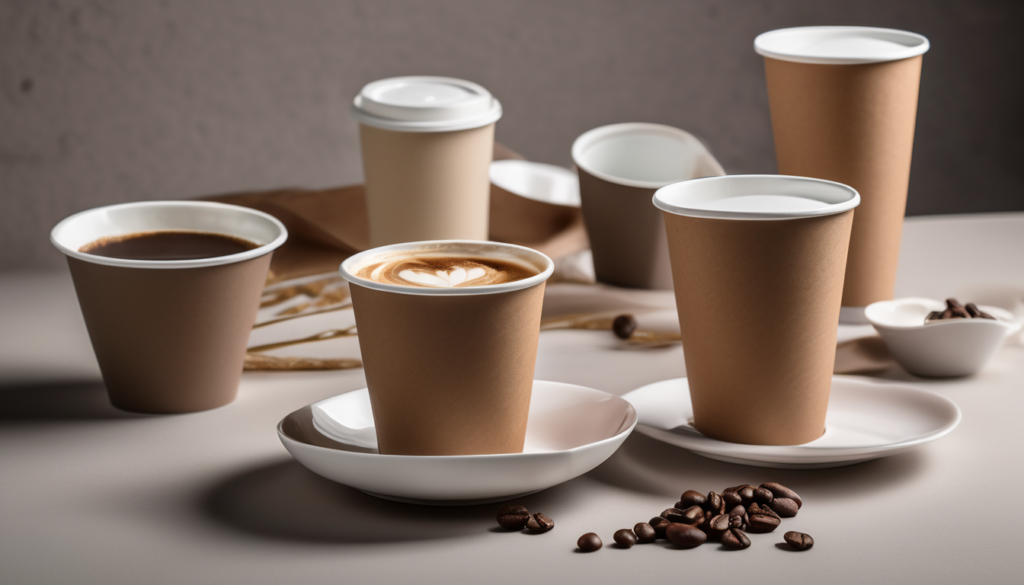
Paper Cups vs Plastic Cups: Why Eco-Friendly Matters for Your Business
The beverage industry faces a critical decision that impacts both profitability and environmental responsibility. As a coffee cup supplier, SEAL Indonesia witnesses firsthand how businesses struggle with choosing between paper and plastic cups. This choice affects brand reputation, operational costs, and increasingly, customer loyalty.
With environmental consciousness at an all-time high, Indonesian consumers actively seek businesses that align with their values. The shift toward sustainable packaging isn’t just a trend—it’s becoming a business necessity that directly impacts your bottom line.
Environmental Impact: The Clear Winner
The environmental comparison between paper and plastic cups reveals stark differences that modern consumers can no longer ignore.
Biodegradability and Decomposition
Paper cups decompose naturally within 2-5 months under proper composting conditions, while plastic cups can persist in landfills for up to 450 years. This dramatic difference explains why environmentally conscious customers increasingly avoid businesses using plastic packaging.
For disposable food container solutions, paper-based options significantly reduce long-term environmental impact. Coffee shops and restaurants switching to paper alternatives report improved brand perception among eco-conscious consumers.
Carbon Footprint Considerations
Manufacturing paper cups generates approximately 30% fewer greenhouse gases compared to plastic production. The renewable nature of wood fiber used in quality paper cups creates a more sustainable supply chain compared to petroleum-based plastic alternatives.
- Paper cups: Renewable wood fiber source
- Lower manufacturing emissions
- Faster biodegradation process
- Compatible with existing composting infrastructure
Performance and Functionality Comparison
Modern paper cup technology has evolved significantly, addressing previous concerns about durability and temperature resistance.
Temperature Handling Capabilities
Premium aluminium laminated cup designs excel in both hot and cold beverage applications. These advanced paper cups feature specialized linings that prevent heat transfer while maintaining structural integrity—something basic plastic cups often struggle with for hot beverages.
For cold drink cups, quality paper alternatives now match plastic performance while offering superior customer experience through improved grip texture and reduced condensation issues.
Structural Integrity and Durability
Today’s paper cups incorporate advanced manufacturing techniques that ensure reliable performance:
- Double-wall construction for enhanced insulation
- Specialized coatings preventing leakage
- Reinforced rim design for comfortable drinking
- Optimized thickness preventing crushing
Professional aluminium laminated cups for hot beverages demonstrate how modern paper technology surpasses traditional plastic limitations.
Cost Analysis: Long-term Value Perspective
While initial procurement costs vary, the total cost of ownership reveals surprising insights for businesses evaluating packaging options.
Direct Cost Comparison
Quality paper cups from a reliable wholesale food packaging supplier Jakarta typically cost 15-25% more per unit than basic plastic alternatives. However, this premium investment delivers measurable returns through enhanced customer satisfaction and brand differentiation.
Bulk purchasing from established suppliers like SEAL Indonesia often reduces this cost gap significantly, making eco-friendly options more accessible for businesses of all sizes.
Hidden Costs and Long-term Savings
Businesses switching to paper cups report several unexpected cost benefits:
- Reduced waste management fees due to biodegradable disposal
- Lower storage requirements with optimized stacking designs
- Decreased customer complaints about taste transfer
- Enhanced brand value supporting premium pricing strategies
Many coffee chains discover that sustainable packaging justifies slight price increases, as demonstrated in our analysis of how coffee chains successfully implement eco-friendly packaging.
Customer Preferences and Market Trends
Indonesian consumer behavior increasingly favors businesses demonstrating environmental responsibility, creating compelling reasons to prioritize paper packaging solutions.
Consumer Survey Insights
Recent market research indicates that 73% of Indonesian consumers prefer businesses using eco-friendly packaging, with 45% willing to pay premium prices for sustainable options. This preference particularly influences younger demographics who drive significant purchasing power in the food and beverage sector.
Restaurants and coffee shops implementing comprehensive sustainable packaging strategies report average customer retention improvements of 12-18% compared to businesses maintaining plastic-heavy approaches.
Brand Differentiation Opportunities
Eco-friendly packaging creates powerful marketing opportunities that extend far beyond environmental benefits:
- Social media engagement through sustainability messaging
- Partnership opportunities with environmental organizations
- Premium brand positioning in competitive markets
- Employee satisfaction through company value alignment
Understanding sustainable food packaging trends in Indonesia’s F&B industry helps businesses capitalize on these opportunities effectively.
Implementation Strategy for Businesses
Successfully transitioning from plastic to paper cups requires strategic planning that minimizes disruption while maximizing benefits.
Gradual Transition Approach
Smart businesses implement phased transitions that allow operational adjustment while building customer awareness:
- Start with hot beverage cups where paper advantages are most apparent
- Introduce customer education materials explaining environmental benefits
- Monitor customer feedback and adjust implementation timeline accordingly
- Train staff on proper handling and storage procedures
Supplier Selection Criteria
Choosing the right paper bowl supplier Indonesia ensures consistent quality and reliable supply chain management. Key evaluation factors include:
- Manufacturing capacity and scalability
- Quality certification and food safety compliance
- Customization capabilities for brand differentiation
- Logistics efficiency and delivery reliability
- Technical support and consultation services
Why SEAL Indonesia Leads the Paper Cup Revolution
As Indonesia’s premier food packaging manufacturer, SEAL Indonesia combines cutting-edge technology with environmental responsibility to deliver superior paper cup solutions.
Our comprehensive product range includes premium aluminium foil lined paper cup designs that outperform traditional alternatives while supporting your sustainability goals. From small cafes to major restaurant chains, we provide customized solutions that enhance brand value while protecting the environment.
Our expertise extends beyond basic supply—we partner with businesses to optimize their entire packaging strategy, ensuring cost efficiency without compromising quality or environmental responsibility.
Conclusion: Making the Smart Choice
The comparison between paper and plastic cups reveals clear advantages for businesses prioritizing long-term success. While plastic cups offer short-term cost savings, paper alternatives deliver superior environmental benefits, enhanced customer satisfaction, and stronger brand positioning.
Indonesian businesses implementing eco-friendly packaging strategies position themselves advantageously in an increasingly conscious market. The initial investment in quality paper cups generates measurable returns through improved customer loyalty, brand differentiation, and operational efficiency.
The time for half-measures has passed—customers expect businesses to demonstrate genuine environmental commitment through actionable choices like sustainable packaging adoption.
Contact SEAL Indonesia today for premium food packaging solutions that align with your sustainability goals while delivering exceptional performance. Our team of experts will help you transition seamlessly to eco-friendly alternatives that enhance your brand while protecting Indonesia’s environment.