
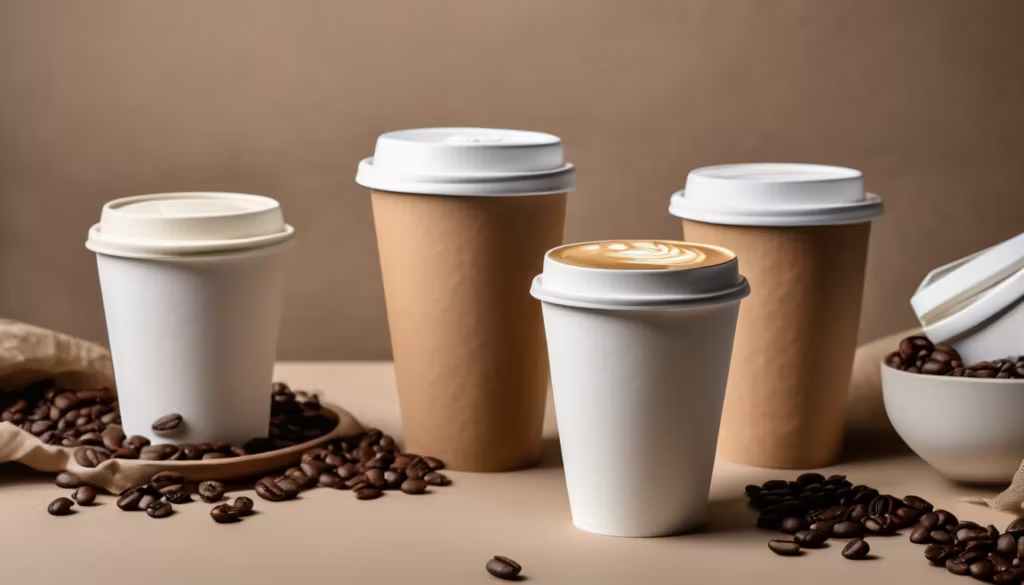
Paper Cups vs Plastic Cups: Why Eco-Friendly Matters
The debate between paper cups and plastic cups has reached a critical juncture for Indonesia’s food and beverage industry. With growing environmental awareness and changing consumer preferences, businesses face mounting pressure to make sustainable choices. As a leading paper cup manufacturer serving restaurants, coffee shops, and food delivery services across Indonesia, SEAL Indonesia understands the complexities businesses face when choosing between these packaging options.
The current shift toward eco-friendly packaging isn’t just a trend—it’s a fundamental change that affects customer loyalty, brand reputation, and long-term business sustainability. This comprehensive guide examines the environmental impact, practical considerations, and business implications of choosing paper cups over plastic alternatives.
Environmental Impact: The Clear Winner
The environmental comparison between paper and plastic cups reveals stark differences that every business owner should understand. Paper cups, particularly those made from biodegradable food packaging materials, decompose within 2-6 months under proper composting conditions, while plastic cups can persist in the environment for 400-1000 years.
Biodegradability and Waste Management
Paper cups offer significant advantages in waste management systems:
- Natural decomposition: Paper breaks down naturally through microbial action
- Compostable options: Many paper cups can be processed in commercial composting facilities
- Reduced landfill burden: Shorter decomposition time means less long-term environmental impact
- Lower carbon footprint: Manufacturing processes typically generate fewer greenhouse gas emissions
Research indicates that plastic cups contribute significantly to marine pollution, with millions of plastic containers entering waterways annually. By choosing paper alternatives, businesses can substantially reduce their environmental footprint while meeting the growing demand for sustainable restaurant takeaway packaging solutions.
Consumer Preferences and Market Trends
Consumer behavior has shifted dramatically toward environmentally conscious purchasing decisions. Studies show that 73% of Indonesian consumers are willing to pay premium prices for products from environmentally responsible companies. This trend particularly impacts the food and beverage sector, where packaging visibility directly influences customer perception.
Brand Image and Customer Loyalty
Restaurants and cafes using eco-friendly packaging often experience:
- Enhanced brand reputation: Demonstrates corporate social responsibility
- Increased customer retention: Appeals to environmentally conscious consumers
- Social media advantages: Eco-friendly packaging generates positive online engagement
- Regulatory compliance: Meets increasingly strict environmental regulations
Major coffee chains worldwide have recognized this trend, as detailed in our analysis of how major coffee chains choose their cup suppliers, where environmental considerations play a crucial role in supplier selection.
Performance and Functionality Comparison
Modern paper cup technology has evolved significantly, addressing previous concerns about durability and heat retention. Today’s eco friendly coffee cup Indonesia options provide comparable performance to plastic alternatives while maintaining environmental benefits.
Heat Retention and Insulation
Advanced paper cup designs offer superior thermal properties:
- Double-wall construction: Provides excellent insulation without additional sleeves
- Air gap technology: Creates natural thermal barriers for hot beverages
- Specialized coatings: Maintain structural integrity while preserving drink temperature
- Ergonomic design: Comfortable handling even with hot contents
For businesses requiring maximum heat retention, aluminium laminated cup options combine eco-friendly paper construction with enhanced thermal performance, making them ideal for premium coffee services and high-end restaurants.
Durability and Leak Resistance
Contemporary paper cups feature advanced barrier technologies that rival plastic performance. Food-grade coatings and reinforced construction ensure leak-proof performance while maintaining biodegradability. These improvements address historical concerns about paper cup reliability in commercial foodservice applications.
Cost Analysis: Long-term Value Perspective
While initial costs for paper cups may appear higher than plastic alternatives, comprehensive cost analysis reveals different results when considering total value proposition. Smart businesses evaluate packaging costs within the broader context of brand value, customer acquisition, and regulatory compliance.
Direct Cost Considerations
Factors affecting packaging costs include:
- Purchase price per unit: Paper cups typically cost 10-20% more than basic plastic
- Storage efficiency: Stackable designs optimize warehouse space utilization
- Waste disposal costs: Reduced long-term waste management expenses
- Regulatory compliance: Avoiding potential plastic restriction penalties
Indirect Value Benefits
Paper cups provide substantial indirect benefits that offset higher initial costs:
- Marketing value: Sustainable packaging serves as brand differentiator
- Customer retention: Environmental responsibility builds loyalty
- Risk mitigation: Reduced exposure to plastic ban regulations
- Premium positioning: Enables higher pricing for eco-conscious offerings
The comprehensive food packaging trends transforming Indonesia’s F&B industry show that businesses investing in sustainable packaging often achieve better long-term profitability through enhanced customer relationships and operational efficiency.
Practical Implementation for Different Business Types
Different foodservice operations require tailored approaches to paper cup implementation. Understanding specific business needs ensures optimal packaging selection and successful transition from plastic alternatives.
Coffee Shops and Cafes
Coffee-focused businesses benefit from specialized paper cup features:
- Heat retention: Double-wall designs maintain optimal drinking temperature
- Custom branding: Paper surfaces accept high-quality printing for brand promotion
- Size variety: Multiple size options accommodate diverse menu offerings
- Sleeve compatibility: Additional insulation options for extremely hot beverages
Fast Food and Quick Service
High-volume operations require robust packaging solutions that balance performance with cost efficiency. Paper cups designed for quick service environments feature reinforced construction and rapid-fill compatibility while maintaining environmental benefits.
Food Delivery Services
Delivery applications demand secure, leak-proof packaging that maintains beverage quality during transport. Modern paper cups with advanced barrier coatings provide excellent performance for delivery services while supporting sustainability initiatives. Complementing these with appropriate thermal insulation bag systems ensures optimal delivery quality.
Integration with Complete Packaging Solutions
Successful sustainability initiatives extend beyond individual products to comprehensive packaging ecosystems. Businesses achieve maximum environmental and operational benefits by coordinating paper cups with complementary sustainable packaging solutions.
Coordinated Packaging Systems
Complete eco-friendly packaging includes:
- Take away food container: Matching paper-based food containers for visual consistency
- Thermal delivery bags: Reusable insulation systems for temperature maintenance
- Coordinated branding: Consistent environmental messaging across all packaging
- Waste management support: Clear disposal instructions for customers
This holistic approach maximizes environmental benefits while creating cohesive brand experiences that reinforce sustainability commitments to customers.
Making the Transition: Practical Steps
Successfully transitioning from plastic to paper cups requires strategic planning and phased implementation. Businesses benefit from working with experienced suppliers who understand operational requirements and can provide guidance throughout the transition process.
Implementation Timeline
Recommended transition phases include:
- Assessment phase: Evaluate current usage patterns and identify optimal paper cup specifications
- Testing period: Introduce paper cups in select locations or for specific products
- Staff training: Educate team members on proper handling and customer communication
- Full rollout: Complete transition with customer communication and marketing support
The guidance provided in our benefits of thermal insulation bags for food delivery article demonstrates how proper planning ensures smooth transitions to sustainable packaging solutions.
Conclusion: Sustainable Success
The choice between paper and plastic cups extends far beyond simple packaging decisions—it represents a strategic choice that impacts brand reputation, customer relationships, and long-term business sustainability. Paper cups offer superior environmental benefits, growing consumer appeal, and increasingly competitive performance characteristics that make them the clear choice for forward-thinking foodservice businesses.
As Indonesia’s regulatory environment continues evolving toward stricter environmental standards, businesses adopting paper-based packaging solutions position themselves advantageously for future success. The investment in sustainable packaging delivers returns through enhanced brand value, customer loyalty, and operational resilience.
Ready to make the switch to eco-friendly packaging solutions? Contact SEAL Indonesia today for premium food packaging solutions that combine environmental responsibility with exceptional performance. Our expert team provides comprehensive support for businesses transitioning to sustainable packaging, ensuring smooth implementation and optimal results for your specific operational needs.