
How to Reduce Packaging Costs Without Losing Quality
Food businesses across Indonesia face mounting pressure to control operational costs while maintaining high standards. Packaging expenses can account for 5-15% of total food service costs, making it a critical area for optimization. The challenge lies in reducing packaging costs without compromising the quality that keeps customers satisfied and coming back.
Smart businesses understand that cutting corners on packaging quality can lead to customer complaints, food safety issues, and damaged brand reputation. The key is implementing strategic approaches that deliver genuine savings while preserving product integrity and customer experience.
Strategic Sourcing and Supplier Partnerships
Building strong relationships with reliable suppliers forms the foundation of cost-effective packaging procurement. Working with an established paper bowl supplier Indonesia like SEAL Indonesia allows businesses to leverage volume discounts and consistent quality standards.
Volume-Based Purchasing Benefits
Consolidating orders and purchasing in larger quantities typically reduces per-unit costs by 15-25%. Consider these strategies:
- Negotiate tiered pricing structures based on order volumes
- Coordinate with other business locations to combine orders
- Plan seasonal inventory needs to capitalize on bulk pricing
- Establish long-term contracts for better rates on consistent orders
Supplier Evaluation Criteria
When selecting packaging suppliers, evaluate beyond just price points. Quality suppliers offer value through consistent product standards, reliable delivery schedules, and technical support. This comprehensive approach prevents costly issues like product failures or supply disruptions.
Smart Product Selection and Standardization
Optimizing your packaging portfolio requires careful analysis of actual needs versus perceived requirements. Many businesses reduce costs by 20-30% through strategic product consolidation and standardization.
Multi-Purpose Packaging Solutions
Instead of maintaining separate inventory for every menu item, consider versatile options. A well-designed thermal insulation bag can serve multiple food delivery needs, reducing inventory complexity while maintaining temperature control for various dishes.
Similarly, standardizing on specific sizes of hot beverage cups across different drink types can simplify procurement while achieving better volume pricing. For businesses serving both hot and cold beverages, selecting cups that perform well for both applications eliminates the need for separate inventory.
Right-Sizing Your Packaging
Conduct regular audits to ensure packaging sizes match actual portion requirements. Over-sizing leads to unnecessary material costs, while under-sizing creates customer dissatisfaction. Choosing the right paper bowl for your restaurant involves matching container capacity to typical serving sizes while allowing adequate headroom.
Embracing Sustainable Cost-Effective Options
Modern eco-friendly food packaging options often provide cost advantages beyond just material prices. Sustainable packaging can reduce waste disposal costs, attract environmentally conscious customers, and sometimes qualify for tax incentives or rebates.
Long-Term Value of Eco-Friendly Solutions
An eco friendly coffee cup Indonesia manufacturer may charge slightly more upfront, but the total cost of ownership often proves lower when considering:
- Reduced waste management fees
- Enhanced brand reputation leading to customer loyalty
- Compliance with emerging environmental regulations
- Potential marketing value of sustainability messaging
Material Innovation Benefits
Advanced materials technology has made eco-friendly options increasingly cost-competitive. Modern biodegradable and recyclable packaging often matches traditional options in durability while offering additional benefits like improved insulation properties or enhanced food safety characteristics.
Operational Efficiency and Waste Reduction
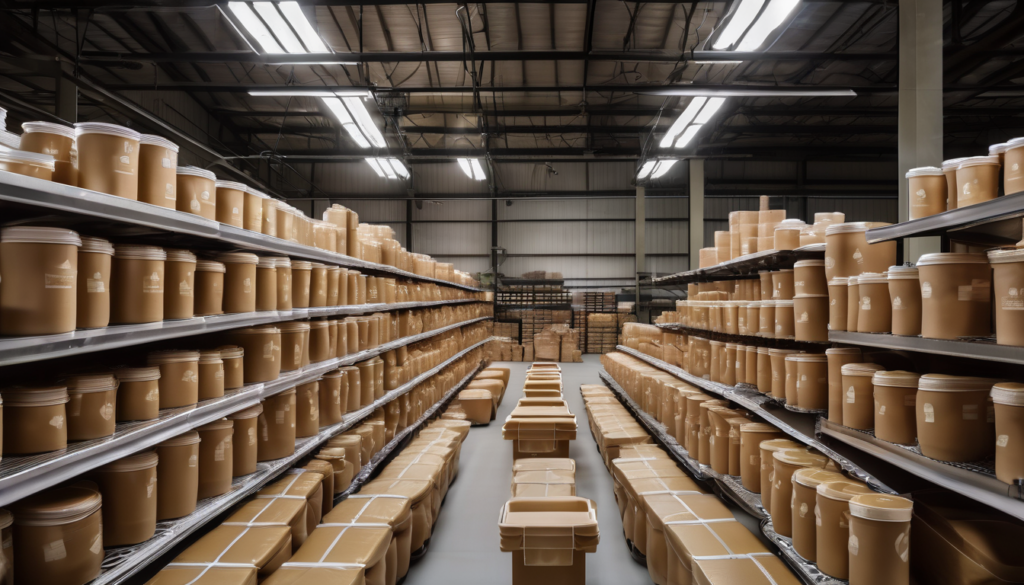
Significant cost savings often come from improving how packaging is stored, handled, and used rather than just focusing on purchase prices. Proper storage for paper food containers prevents damage and waste that can add 10-15% to effective packaging costs.
Inventory Management Optimization
Implement these practices to reduce waste and improve cost efficiency:
- First-In-First-Out (FIFO) rotation: Prevents older inventory from deteriorating
- Proper storage conditions: Maintains packaging integrity and prevents premature degradation
- Staff training: Ensures careful handling and appropriate usage
- Regular inventory audits: Identifies slow-moving items before they become waste
Usage Optimization
Train staff to select appropriate packaging sizes and avoid over-packaging. For ice cream businesses, working with a professional ice cream cup manufacturer to determine optimal sizing can prevent both waste and customer dissatisfaction while controlling costs.
Technology Integration and Process Improvement
Modern technology offers numerous opportunities to reduce packaging costs through improved efficiency and waste reduction. Digital inventory management systems can optimize ordering patterns and prevent both overstocking and stockouts.
Automated Ordering Systems
Implement systems that track usage patterns and automatically generate orders when inventory reaches predetermined levels. This approach prevents emergency orders at premium prices while ensuring adequate stock levels.
Data-Driven Decision Making
Analyze packaging usage data to identify optimization opportunities. Track metrics like packaging cost per order, waste percentages, and customer feedback to make informed decisions about packaging investments.
For food delivery operations, understanding the relationship between packaging costs and customer satisfaction helps optimize the balance. Food delivery packaging solutions that maintain food quality during transport often justify slightly higher costs through improved customer retention.
Custom Solutions and Value Engineering
Working with packaging manufacturers to develop custom solutions often yields significant cost savings while improving functionality. Custom packaging designed for specific applications can eliminate unnecessary features while enhancing performance where it matters most.
Collaborative Design Process
Engage with suppliers early in the product development process to identify cost-saving opportunities. A collaborative approach might reveal that slight modifications to existing products can deliver better value than standard off-the-shelf options.
Performance-Based Specifications
Focus on performance requirements rather than specific materials or construction methods. This approach allows suppliers to propose innovative solutions that meet your needs at lower costs.
Conclusion
Reducing packaging costs without compromising quality requires a strategic, comprehensive approach that goes beyond simply seeking lower prices. Success comes from building strong supplier relationships, optimizing product selection, embracing sustainable solutions, improving operational efficiency, and leveraging technology for better decision-making.
The most effective cost reduction strategies often involve working closely with experienced packaging suppliers who understand your specific requirements and can provide tailored solutions. By focusing on total cost of ownership rather than just purchase price, businesses can achieve substantial savings while maintaining or even improving packaging performance.
Contact SEAL Indonesia today for premium food packaging solutions that balance cost-effectiveness with uncompromising quality. Our team specializes in helping food service businesses optimize their packaging strategies for maximum value and customer satisfaction.