
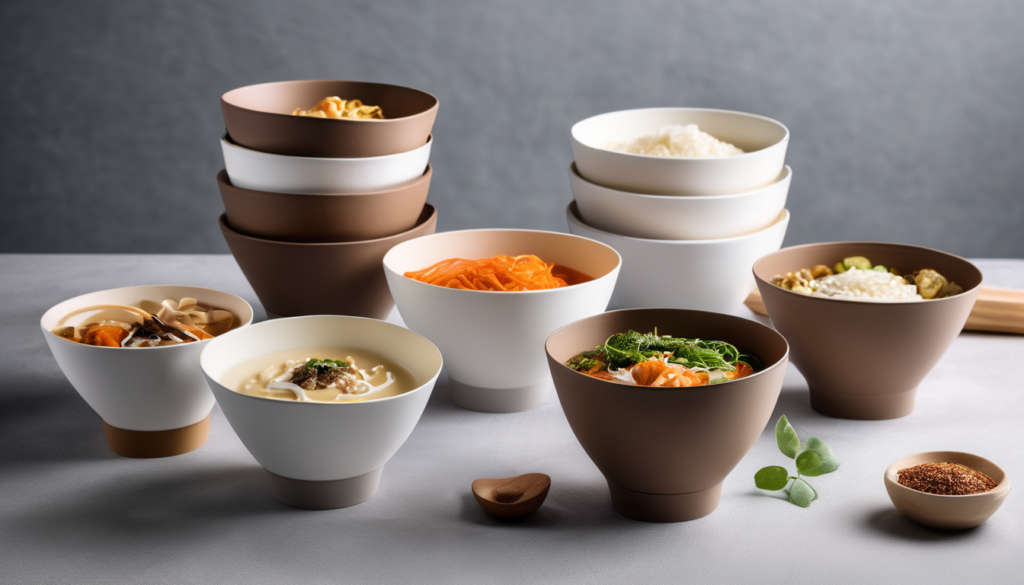
Selecting the right paper bowl for your restaurant can significantly impact both your operational efficiency and customer satisfaction. With the growing demand for eco-friendly food packaging solutions, restaurant owners face numerous options when choosing paper bowls for their establishments.
From soup bowls to ice cream cups, the wrong choice can lead to messy spills, customer complaints, and unnecessary costs. This comprehensive guide will help you navigate the key factors to consider when selecting paper bowls that align with your restaurant’s specific needs and budget.
Understanding Different Types of Paper Bowls
The paper bowl market offers various options designed for specific food service applications. Understanding these differences is crucial for making an informed decision.
Standard Paper Bowls
Basic paper bowls are suitable for dry or room-temperature foods like salads, snacks, and cold desserts. These cost-effective options work well for:
- Quick-service restaurants serving cold items
- Ice cream shops and frozen yogurt stores
- Salad bars and health-focused eateries
- Cafeterias and educational institutions
Coated Paper Bowls
For restaurants serving liquids or hot foods, coated paper bowls provide essential leak resistance. These bowls feature specialized linings that prevent seepage while maintaining structural integrity. Similar to how aluminium laminated cups protect hot beverages, coated bowls ensure optimal food presentation and customer experience.
Double-Wall Insulated Bowls
Premium restaurants often choose double-wall bowls for hot soups and stews. These provide superior heat retention and comfortable handling, making them ideal for upscale dining establishments and catering services.
Key Factors in Paper Bowl Selection
Size and Capacity Requirements
Choosing the correct bowl size impacts both portion control and customer satisfaction. Consider these standard sizes:
- 8-12 oz: Perfect for soups, small salads, and ice cream portions
- 16-20 oz: Ideal for main course salads, pasta dishes, and large soup servings
- 24-32 oz: Suitable for sharing portions, family-style servings, and bulk items
Food Temperature Compatibility
Temperature resistance is crucial for food safety and bowl integrity. Hot foods require bowls that can withstand temperatures up to 200°F without compromising structure. For establishments serving both hot and cold items, consider versatile options that perform well across temperature ranges.
Coating and Barrier Properties
The coating determines your bowl’s performance with different food types:
- PE Coating: Standard moisture barrier for most applications
- PLA Coating: Biodegradable option for eco-conscious restaurants
- Clay Coating: Natural, compostable alternative gaining popularity
Material Quality and Durability Considerations
Paper weight and construction directly affect bowl performance and customer experience. Higher-quality materials may cost more initially but often provide better value through reduced waste and improved customer satisfaction.
Paper Weight and Thickness
Bowl durability depends on paper weight, measured in GSM (grams per square meter):
- 200-250 GSM: Lightweight bowls for cold items and short-term use
- 280-320 GSM: Medium-weight bowls balancing cost and durability
- 350+ GSM: Heavy-duty bowls for hot foods and extended use
Construction Quality
Well-constructed bowls feature reinforced rims and seamless integration between base and walls. Quality construction prevents common issues like rim crushing and bottom separation that can damage your restaurant’s reputation.
Environmental Impact and Sustainability
Modern consumers increasingly prioritize eco-friendly food packaging options. Restaurants that embrace sustainable practices often see improved brand perception and customer loyalty.
Biodegradable and Compostable Options
Consider bowls certified for commercial composting programs. These options break down completely within 90-180 days under proper conditions, supporting your restaurant’s environmental goals.
Recyclable Paper Bowls
While coating affects recyclability, many modern paper bowls can be processed through standard recycling programs. Check with local waste management providers to understand available options in your area.
Sourcing and Certification
Look for bowls made from responsibly sourced materials with certifications like FSC (Forest Stewardship Council) or PEFC (Programme for the Endorsement of Forest Certification). These certifications ensure your packaging supports sustainable forestry practices.
Cost Analysis and Budget Planning
Effective cost management requires understanding both upfront expenses and long-term value. Consider the total cost of ownership rather than just purchase price.
Volume Pricing Considerations
Most suppliers offer tiered pricing based on order quantities. Calculate your monthly usage to determine optimal order sizes that balance cost savings with storage requirements. Working with an established coffee cup supplier or packaging manufacturer often provides better volume discounts and consistent quality.
Hidden Costs to Consider
- Storage space requirements
- Inventory management time
- Waste disposal costs for damaged or unsuitable bowls
- Customer replacement costs due to quality issues
As discussed in our guide on reducing packaging costs without losing quality, strategic supplier relationships can significantly impact your bottom line.
Custom Branding and Marketing Opportunities
Paper bowls offer excellent branding opportunities that can enhance customer experience and promote brand recognition. Custom logo paper cup printing techniques also apply to paper bowls, allowing for creative marketing applications.
Design Considerations
Effective bowl branding should consider:
- Logo placement that remains visible during use
- Color schemes that complement your food presentation
- messaging that reinforces brand values
- Design elements that photograph well for social media
Printing Quality and Durability
Ensure custom printing can withstand food contact, moisture, and handling without fading or transferring. High-quality printing creates professional presentation that reflects positively on your establishment.
Supplier Selection and Quality Assurance
Choosing the right supplier is as important as selecting the right product. A reliable paper cup manufacturer with food packaging expertise can provide valuable guidance and consistent quality.
Key Supplier Criteria
When evaluating potential suppliers, consider:
- Food safety certifications and compliance
- Production capacity and delivery reliability
- Quality control processes and testing procedures
- Customer service and technical support
- Customization capabilities and minimum order requirements
Our detailed guide on choosing food packaging suppliers provides additional insights for making informed supplier decisions.
Quality Testing and Evaluation
Before committing to large orders, request samples for thorough testing with your actual food products. Evaluate performance under real operating conditions, including peak service times and temperature extremes.
Conclusion
Selecting the right paper bowl for your restaurant requires careful consideration of multiple factors including food compatibility, durability requirements, environmental impact, and cost considerations. The ideal choice balances performance, sustainability, and budget constraints while supporting your brand image and customer satisfaction goals.
Remember that paper bowl selection is just one component of a comprehensive packaging strategy. Consider how your bowls integrate with other packaging elements like insulated food containers for catering and thermal bags for delivery services.
Ready to upgrade your restaurant’s paper bowl selection? Contact SEAL Indonesia today for premium food packaging solutions tailored to your specific needs. Our experienced team can help you navigate options, provide custom printing services, and ensure reliable supply chain management for your food service operation.