
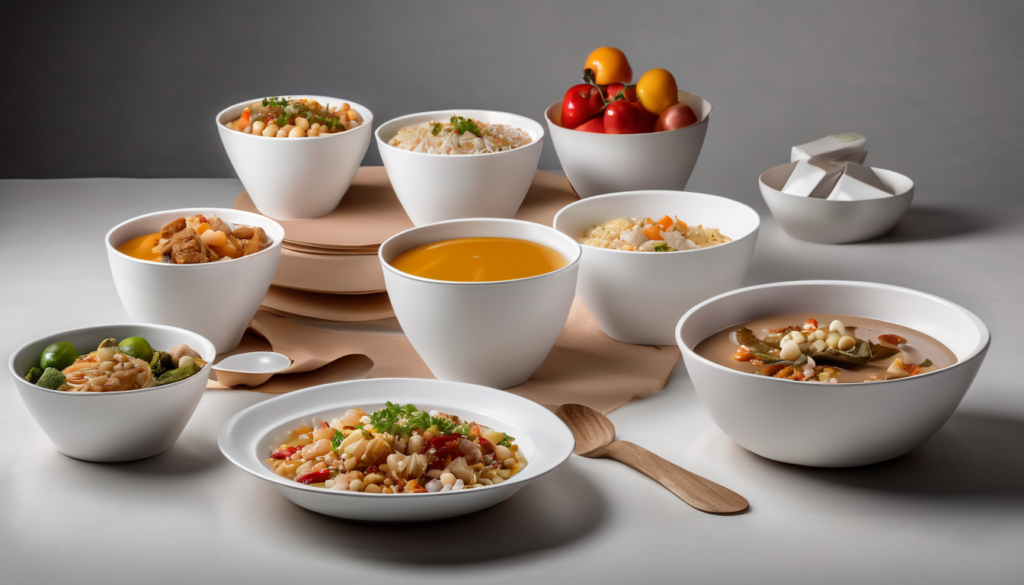
How to Choose the Right Paper Bowl for Your Restaurant
Selecting the perfect paper bowl for your restaurant is more complex than it appears on the surface. With countless options available from various paper bowl supplier Indonesia companies, making the wrong choice can impact everything from food presentation to customer satisfaction and operational costs. Whether you’re running a bustling soup kitchen, trendy poke bowl restaurant, or casual dining establishment, the right paper bowl selection directly influences your brand image and bottom line.
The demand for sustainable and practical food packaging Indonesia solutions has skyrocketed, making it crucial for restaurant owners to understand the nuances of paper bowl selection. From material composition to size specifications, each decision affects your food service operations and customer experience.
Understanding Paper Bowl Materials and Construction
The foundation of any quality paper bowl lies in its material construction. Most food-grade paper bowls feature multiple layers designed to handle various food types and temperatures effectively.
Single Wall vs. Double Wall Construction
Single wall paper bowls work excellently for cold foods, salads, and room temperature items. They’re cost-effective and suitable for quick-service restaurants focusing on cold preparations. However, double wall construction provides superior insulation for hot soups, stews, and warm grain bowls, protecting customers’ hands while maintaining food temperature longer.
Coating and Lining Options
Paper bowls require proper lining to prevent liquid absorption and maintain structural integrity. Polyethylene (PE) coating offers excellent moisture resistance for most food applications, while specialized biodegradable coatings provide eco-friendly alternatives without compromising performance.
- PE-lined bowls: Ideal for soups, sauces, and liquid-heavy dishes
- Grease-resistant treatments: Perfect for oily foods and salad dressings
- Biodegradable coatings: Environmentally conscious option maintaining functionality
- Leak-proof construction: Essential for delivery and takeaway services
Sizing Your Paper Bowls for Different Menu Items
Proper bowl sizing directly impacts portion control, food presentation, and customer satisfaction. Understanding standard sizing helps optimize your inventory while meeting diverse menu requirements.
Small Bowls (8-12 oz)
Perfect for appetizers, side dishes, ice cream portions, and children’s meals. These compact sizes work well for restaurants offering sampling portions or premium dessert presentations.
Medium Bowls (16-20 oz)
The versatile choice for most restaurants, accommodating standard soup portions, salad bowls, pasta dishes, and rice bowls. This size strikes an ideal balance between portion satisfaction and cost control.
Large Bowls (24-32 oz)
Designed for hearty portions, family-style servings, and sharing dishes. Popular among fast-casual chains serving generous poke bowls, ramen, or substantial salad portions.
Consider your target demographic and average portion sizes when selecting bowl capacities. Oversized bowls can make portions appear smaller, while undersized options may lead to spillage and customer dissatisfaction.
Custom Branding and Design Considerations
Your paper bowls serve as mobile advertisements, extending your brand presence beyond restaurant walls. Custom packaging solutions have become essential for building brand recognition and professional appearance.
Logo Placement and Design
Strategic logo placement ensures maximum visibility without interfering with food presentation. Consider bottom placement for elegant subtlety or prominent side positioning for bold brand statements.
Just as custom printed paper cups have revolutionized beverage service branding, custom paper bowls offer similar marketing opportunities. Coordinate your bowl designs with existing cold drink cups and packaging elements to create cohesive brand experiences.
Color Psychology in Food Packaging
Colors influence appetite and perception significantly. Warm colors like reds and oranges stimulate hunger, while cool blues and greens suggest freshness and health. Neutral tones provide versatility across diverse menu items without competing with food colors.
Sustainability and Environmental Impact
Modern consumers increasingly prioritize environmental responsibility, making sustainable packaging choices crucial for brand reputation and regulatory compliance.
Recyclable and Compostable Options
Choose paper bowls manufactured from renewable resources with minimal environmental impact. Look for suppliers offering:
- FSC-certified paper sources ensuring responsible forest management
- Compostable coatings breaking down in commercial composting facilities
- Recyclable construction compatible with standard waste management systems
- Minimal packaging waste in bulk purchasing options
Local Sourcing Benefits
Partnering with local Indonesian suppliers reduces transportation emissions while supporting regional economies. Custom food packaging from local sources often provides better customization options and faster turnaround times for design modifications.
Cost Analysis and Budget Planning
Balancing quality with cost-effectiveness requires understanding various pricing factors affecting paper bowl procurement.
Volume Purchasing Advantages
Bulk purchasing significantly reduces per-unit costs while ensuring consistent supply availability. Calculate monthly usage patterns to determine optimal order quantities balancing storage constraints with volume discounts.
Total Cost of Ownership
Consider factors beyond initial purchase price:
- Storage space requirements and related costs
- Waste disposal fees for different material types
- Customer satisfaction impact on repeat business
- Brand enhancement value through custom designs
- Operational efficiency gains from reliable suppliers
Premium bowls may justify higher costs through improved performance, reduced waste, and enhanced brand presentation, similar to how businesses invest in quality coffee cup supplier relationships for consistent beverage service.
Supplier Selection and Quality Assurance
Choosing the right supplier impacts everything from product consistency to delivery reliability and customer service support.
Key Supplier Evaluation Criteria
Evaluate potential suppliers based on:
- Manufacturing capacity and scalability for business growth
- Quality control procedures and certifications
- Custom design capabilities and custom logo paper cup printing expertise
- Delivery reliability and inventory management
- Responsive customer service and technical support
- Competitive pricing with transparent cost structures
Quality Testing and Standards
Reliable suppliers provide product samples for testing with actual menu items. Evaluate leak resistance, temperature tolerance, and structural integrity under real-world conditions before committing to large orders.
Understanding the importance of custom packaging helps appreciate why quality suppliers invest heavily in customization capabilities and quality control processes.
Implementation and Ongoing Optimization
Successful paper bowl implementation requires staff training and continuous monitoring of performance metrics.
Staff Training Considerations
Train kitchen and service staff on proper bowl selection for different menu items, ensuring optimal food presentation and customer experience. Include guidelines for portion sizing and handling procedures to minimize waste.
Performance Monitoring
Track key metrics including:
- Customer feedback regarding food presentation and packaging
- Waste reduction through appropriate sizing
- Operational efficiency improvements
- Cost per serving analysis
- Brand recognition enhancement
Regular performance reviews enable continuous optimization of your restaurant takeaway packaging solutions, ensuring evolving customer needs and business objectives remain aligned.
Conclusion
Selecting the right paper bowl for your restaurant involves careful consideration of materials, sizing, branding opportunities, sustainability factors, and supplier relationships. The decision impacts customer satisfaction, operational efficiency, and brand presentation while affecting long-term costs and environmental responsibility.
Success requires partnering with experienced suppliers who understand the unique challenges facing Indonesian restaurants and food service businesses. From custom design capabilities to reliable supply chain management, the right supplier partnership transforms paper bowl selection from a procurement challenge into a competitive advantage.
Contact SEAL Indonesia today for premium food packaging solutions tailored to your restaurant’s specific needs. Our expertise in custom printing, sustainable materials, and comprehensive packaging solutions helps restaurants across Indonesia enhance their brand presence while delivering exceptional customer experiences. Let our team help you select the perfect paper bowls that align with your operational requirements, budget constraints, and sustainability goals.