
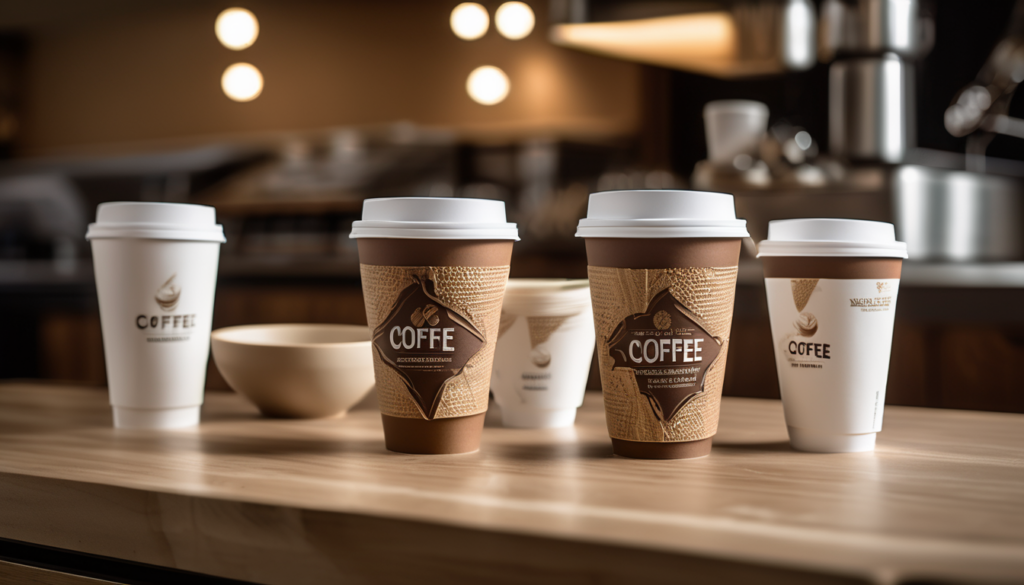
How Major Coffee Chains Choose Their Paper Cup Suppliers
Behind every successful coffee chain lies a crucial decision that directly impacts customer experience, brand image, and operational efficiency: choosing the right paper cup manufacturer. While customers might focus on the coffee quality, the packaging plays an equally vital role in delivering a premium experience and reinforcing brand identity.
Major coffee chains like Starbucks, Dunkin’, and Costa Coffee don’t leave their packaging decisions to chance. They follow rigorous evaluation processes to select suppliers who can meet their demanding standards for quality, consistency, and brand representation. Understanding these criteria can help any coffee business make informed packaging decisions.
Quality Standards and Certifications
The foundation of any supplier relationship for major coffee chains begins with unwavering quality standards. Leading coffee brands require their paper cup manufacturer partners to maintain strict quality control processes and relevant certifications.
Food Safety Certifications
All suppliers must demonstrate compliance with international food safety standards, including:
- ISO 22000 (Food Safety Management Systems)
- HACCP (Hazard Analysis Critical Control Points)
- FDA approval for food grade paper packaging
- Local regulatory compliance in each market
These certifications ensure that every cup meets the highest safety standards for direct food contact, protecting both the brand’s reputation and customer health.
Performance Testing
Coffee chains conduct extensive testing on potential suppliers’ products, evaluating:
- Heat resistance for hot beverage cups
- Leak-proof performance under various conditions
- Durability during transportation and handling
- Insulation properties to prevent burns
Manufacturing Capacity and Scalability
Major coffee chains operate thousands of locations worldwide, requiring suppliers who can handle massive production volumes without compromising quality or delivery schedules.
Volume Requirements
Leading coffee chains typically require suppliers capable of producing millions of cups monthly. For example, Starbucks uses approximately 4 billion cups annually across its global operations. This scale demands:
- Multiple production facilities to ensure supply continuity
- Advanced inventory management systems
- Backup production capacity for peak seasons
- Quick response times for urgent orders
Geographic Distribution
Successful suppliers maintain strategically located manufacturing facilities to minimize shipping costs and delivery times. They also provide comprehensive logistics support, including warehousing and distribution services.
Custom Branding and Design Capabilities
Brand differentiation is crucial in the competitive coffee market, making custom logo paper cup printing capabilities a key selection criterion for major chains.
Advanced Printing Technologies
Coffee chains seek suppliers offering:
- High-resolution flexographic printing
- Full-color process printing capabilities
- Special finishes like matte, gloss, or textured coatings
- Variable data printing for promotional campaigns
The printing quality must maintain consistency across millions of units while accurately reproducing brand colors and intricate design elements.
Design Support Services
Leading suppliers provide comprehensive design support, including graphic design services, color matching expertise, and prototyping capabilities. This support proves invaluable when coffee chains launch seasonal campaigns or introduce new menu items requiring specialized packaging.
Just as restaurants carefully consider their tableware choices, coffee chains must evaluate packaging decisions strategically. Our guide on how to choose the right paper bowl for your restaurant offers insights into similar decision-making processes for food service packaging.
Sustainability and Environmental Responsibility
Environmental consciousness has become a non-negotiable requirement for major coffee chains, driven by consumer expectations and corporate responsibility commitments.
Eco-Friendly Materials
Coffee chains increasingly demand suppliers who offer:
- Recyclable paper cups with water-based barriers
- Compostable options made from renewable materials
- FSC-certified paper from responsibly managed forests
- Reduced plastic content in cup construction
Circular Economy Initiatives
Progressive suppliers participate in circular economy programs, including cup recycling initiatives and take-back programs. Some coffee chains, like McDonald’s, have committed to sourcing 100% of their packaging from renewable, recycled, or certified sources.
Innovation and Product Development
The most successful supplier partnerships involve continuous innovation to address evolving market needs and consumer preferences.
Advanced Insulation Solutions
Coffee chains value suppliers who develop innovative solutions like:
- Aluminium laminated cups for superior heat retention
- Double-wall construction for enhanced insulation
- Proprietary grip designs for customer comfort
- Temperature-indicating materials for safety
Multi-Product Capabilities
Leading suppliers offer comprehensive packaging solutions beyond just cups, including thermal insulation bags for delivery services and insulated food containers for catering operations. This one-stop-shop approach simplifies procurement and ensures packaging consistency across all touchpoints.
The importance of comprehensive packaging strategies extends beyond coffee cups. Understanding broader packaging needs helps businesses create cohesive brand experiences, which is why custom packaging solutions have become increasingly important for food service businesses.
Cost Management and Value Engineering
While quality remains paramount, major coffee chains carefully evaluate the total cost of ownership when selecting suppliers.
Total Cost Analysis
Leading coffee chains consider:
- Unit pricing across different order volumes
- Shipping and logistics costs
- Storage and handling expenses
- Quality-related waste and replacement costs
Value Engineering Opportunities
The best supplier relationships involve collaborative value engineering, where manufacturers suggest design optimizations or material alternatives that maintain quality while reducing costs or environmental impact.
Technology Integration and Supply Chain Visibility
Modern coffee chains expect suppliers to provide advanced technology integration and real-time supply chain visibility.
Digital Integration
Leading suppliers offer:
- EDI (Electronic Data Interchange) connectivity
- Real-time inventory tracking systems
- Automated reordering based on consumption patterns
- Mobile applications for order management
Supply Chain Transparency
Coffee chains increasingly demand complete visibility into their supply chains, including raw material sourcing, manufacturing processes, and environmental impact data.
Conclusion
The selection process for paper cup suppliers among major coffee chains reflects a comprehensive evaluation of quality, capacity, sustainability, innovation, and cost-effectiveness. Success requires suppliers who can meet rigorous standards while providing strategic partnership value through continuous improvement and innovation.
For coffee businesses of any size looking to emulate the success of major chains, choosing the right packaging partner remains crucial. The principles used by industry leaders—emphasizing quality, sustainability, and brand alignment—apply equally to smaller operations seeking to differentiate themselves in competitive markets.
Whether you’re operating a single coffee shop or managing a growing chain, partnering with an experienced paper cup manufacturer who understands these industry standards can significantly impact your success. From custom logo paper cup printing to comprehensive packaging solutions, the right supplier becomes an extension of your brand.
Contact SEAL Indonesia today for premium food packaging solutions that meet the same high standards demanded by major coffee chains. Our expertise in food grade paper packaging and commitment to innovation can help elevate your coffee business to new heights.