
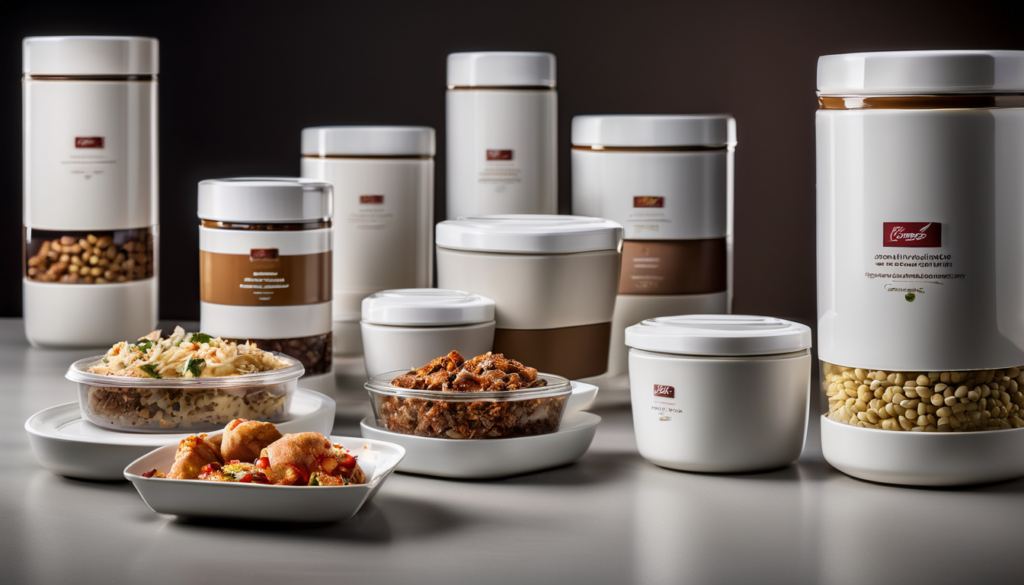
Food Packaging Trends Shaping Indonesia’s F&B Industry
Indonesia’s food and beverage industry is experiencing unprecedented growth, with the sector contributing over $60 billion to the national economy. As consumer preferences evolve and environmental consciousness rises, biodegradable food packaging and innovative packaging solutions are reshaping how businesses serve their customers. From bustling Jakarta street vendors to premium restaurant chains, the packaging revolution is transforming the entire F&B landscape.
The shift toward sustainable packaging isn’t just a trend—it’s becoming a necessity. With Indonesia’s growing middle class and the boom in food delivery services, the demand for high-quality, eco-friendly packaging solutions has never been higher. This transformation is creating new opportunities for businesses that adapt quickly to these changing market dynamics.
Sustainability Takes Center Stage in Indonesian Food Packaging
Environmental sustainability has emerged as the dominant force driving packaging innovation across Indonesia. Major restaurant chains and coffee shops are increasingly switching from plastic to paper-based alternatives, with custom printed paper cups becoming the preferred choice for beverage service.
The Rise of Biodegradable Materials
Indonesian businesses are embracing biodegradable packaging materials at an accelerated pace. Key developments include:
- Paper-based containers: Restaurant chains are transitioning to disposable food containers made from recyclable paper materials
- Plant-based coatings: New coating technologies allow paper packaging to handle hot and cold foods without compromising durability
- Compostable alternatives: Food delivery services are adopting packaging that breaks down naturally within 90-180 days
- Reduced plastic components: Even lids and utensils are being redesigned using biodegradable materials
The government’s support for sustainable packaging through tax incentives has further accelerated this transition. Businesses that invest in eco-friendly packaging solutions often see improved brand perception and customer loyalty.
Smart Packaging Technology Integration
Technology integration in food packaging is revolutionizing how Indonesian businesses operate. Smart packaging solutions are enhancing food safety, reducing waste, and improving customer experience across the archipelago.
Temperature-Sensitive Solutions
With Indonesia’s tropical climate presenting unique challenges, temperature-conscious packaging has become crucial. Hot beverage cups with advanced insulation properties and thermal bags for delivery services are setting new industry standards.
Modern thermal solutions include:
- Double-wall paper cups with enhanced heat retention
- Aluminium-laminated containers for premium hot food service
- Insulated delivery bags with temperature monitoring capabilities
- Phase-change materials for extended temperature maintenance
QR Code Integration and Digital Connectivity
Indonesian restaurants and cafes are incorporating QR codes directly into their packaging design. This technology enables:
- Direct customer feedback collection
- Loyalty program integration
- Nutritional information access
- Reorder functionality for popular items
- Brand storytelling and marketing content
Customization and Brand Identity Through Packaging
Indonesian businesses are recognizing packaging as a powerful marketing tool. The demand for customized packaging solutions has surged, with companies seeking unique designs that reflect their brand identity and cultural values.
Working with an experienced paper cup manufacturer allows businesses to create distinctive packaging that stands out in competitive markets. Custom branding strategies are helping local businesses compete with international chains while maintaining their authentic Indonesian character.
Cultural Integration in Design
Indonesian packaging designs increasingly incorporate local cultural elements:
- Traditional patterns: Batik and traditional Indonesian motifs in packaging design
- Local language integration: Bahasa Indonesia messaging alongside English for broader appeal
- Regional specialization: Packaging designs that reflect specific regional characteristics
- Festival themes: Seasonal packaging celebrating Indonesian holidays and cultural events
Food Delivery Packaging Revolution
The explosive growth of food delivery services in Indonesia has created unique packaging requirements. Businesses must balance durability, cost-effectiveness, and environmental responsibility while ensuring food quality during transportation.
Understanding food delivery packaging standards has become essential for restaurant success. The most successful establishments are those that prioritize packaging solutions that maintain food temperature, prevent spillage, and create positive unboxing experiences.
Multi-Compartment Container Innovation
Indonesian restaurants are adopting sophisticated container designs that separate different food items, preventing flavor mixing and maintaining optimal presentation. These solutions include:
- Sectioned paper containers for complete meals
- Stackable designs for efficient delivery logistics
- Leak-proof sealing systems for liquid items
- Ventilation features for maintaining food texture
Cost-Effective Premium Packaging Solutions
Indonesian businesses are discovering that premium packaging doesn’t necessarily mean higher costs. Strategic partnerships with reliable wholesale food packaging supplier Jakarta providers enable access to high-quality materials at competitive prices.
Smart businesses are implementing cost-efficient packaging strategies that deliver premium customer experiences while maintaining healthy profit margins.
Bulk Purchasing and Inventory Management
Successful restaurants and cafes are optimizing their packaging procurement through:
- Volume discounts: Strategic bulk purchasing for better unit costs
- Seasonal planning: Anticipating demand fluctuations for optimal inventory levels
- Multi-product sourcing: Working with suppliers who provide comprehensive packaging solutions
- Quality consistency: Establishing long-term relationships with proven suppliers
Health and Safety Compliance Standards
Indonesian food packaging regulations continue to evolve, with stricter safety standards being implemented across the industry. Businesses must ensure their packaging meets both local regulations and international food safety standards.
Key compliance areas include:
- Food-grade materials: All packaging must meet Indonesian food safety regulations
- Chemical migration testing: Ensuring no harmful substances transfer to food
- Temperature resistance: Packaging must maintain integrity across Indonesia’s climate conditions
- Hygiene standards: Manufacturing and storage processes must meet strict cleanliness requirements
Future Outlook and Industry Predictions
The Indonesian food packaging industry is positioned for continued innovation and growth. Key trends expected to dominate include:
Emerging Technologies
- Edible packaging: Seaweed and rice-based packaging solutions
- Smart sensors: Real-time freshness monitoring capabilities
- Antimicrobial coatings: Enhanced food safety through advanced surface treatments
- Blockchain integration: Supply chain transparency and authenticity verification
Market Expansion Opportunities
The growing Indonesian middle class and urbanization trends create significant opportunities for packaging innovation. Businesses that invest in sustainable, customizable, and technology-integrated packaging solutions will be best positioned for long-term success.
Conclusion
Indonesia’s food packaging landscape is undergoing a remarkable transformation driven by sustainability concerns, technological advancement, and changing consumer expectations. From restaurant takeaway packaging solutions to premium dining experiences, businesses that embrace these trends will gain significant competitive advantages.
The successful implementation of modern packaging strategies requires partnership with experienced suppliers who understand both local market dynamics and global quality standards. Companies that prioritize sustainable materials, innovative design, and cost-effective solutions will thrive in Indonesia’s evolving F&B marketplace.
Contact SEAL Indonesia today for premium food packaging solutions that align with current industry trends. Our comprehensive range of paper cups, food containers, and thermal insulation bags can help your business stay ahead of the competition while meeting the highest quality and sustainability standards.