
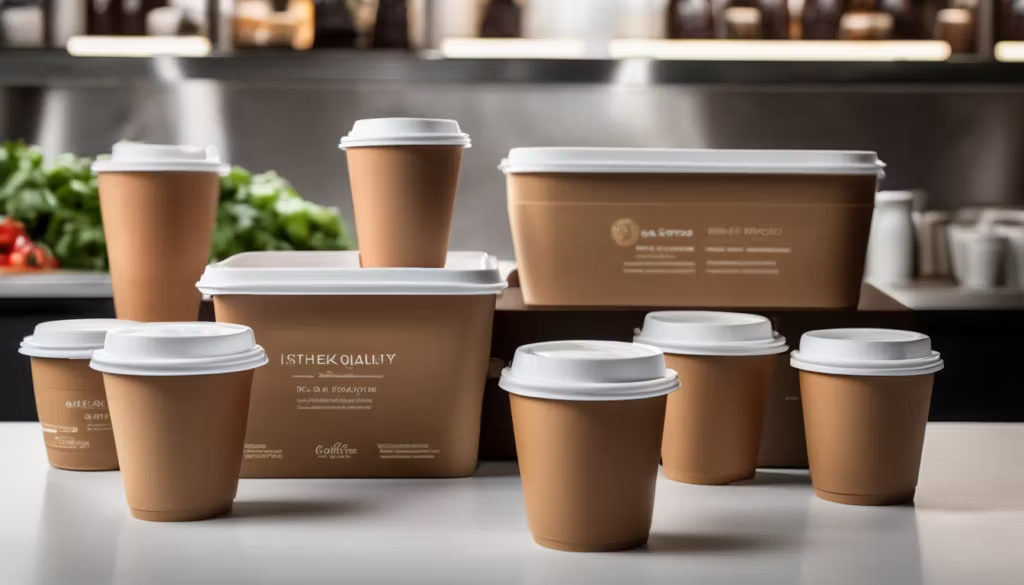
The explosive growth of food delivery services has fundamentally transformed the restaurant industry, creating unprecedented demands for specialized packaging solutions. With millions of meals delivered daily across Indonesia, food packaging Indonesia suppliers face mounting pressure to meet stringent standards set by major delivery platforms while helping restaurants maintain food quality and customer satisfaction.
Food delivery apps like Gojek, Grab, and other platforms have established comprehensive packaging guidelines that directly impact restaurant operations, customer reviews, and business sustainability. Understanding these standards isn’t just about compliance—it’s about thriving in the competitive delivery market.
Understanding Food Delivery Platform Packaging Requirements
Major food delivery platforms have developed detailed packaging standards that restaurants must follow to maintain their partnership status. These requirements focus on three critical areas: food safety, presentation, and environmental responsibility.
Food Safety Standards:
- All containers must be food grade paper packaging certified
- Leak-proof sealing for liquid-based dishes
- Temperature retention capabilities for hot and cold items
- Tamper-evident packaging to ensure food security
- Proper ventilation to prevent condensation buildup
Presentation Requirements:
- Professional branding that reflects restaurant quality
- Clear labeling for dietary restrictions and ingredients
- Stackable designs for efficient delivery handling
- Damage-resistant materials that protect food integrity
The shift toward eco-friendly food packaging has become non-negotiable for many platforms, with some implementing sustainability scoring systems that affect restaurant visibility in search results.
Case Study: How GoFood Partners Achieve Packaging Excellence
GoFood’s packaging standards represent some of the most comprehensive requirements in the Indonesian market. Their partner restaurants have successfully adapted by implementing strategic packaging solutions that address multiple challenges simultaneously.
Temperature Control Success Story:
A popular Jakarta-based restaurant chain increased their customer satisfaction ratings from 4.2 to 4.8 stars by switching to premium insulated food container for catering solutions. The upgrade reduced temperature-related complaints by 89% and improved repeat order rates by 34%.
Key Implementation Strategies:
- Compartmentalized Containers: Using multi-section disposable food container options to prevent sauce mixing and maintain food presentation
- Double-Wall Construction: Implementing advanced thermal protection for soup bowls and hot beverages
- Custom Branding: Leveraging packaging as a marketing tool to build brand recognition
- Sustainable Materials: Adopting biodegradable options that align with platform environmental goals
Beverage Packaging Standards for Delivery Apps
Beverage delivery presents unique challenges that require specialized solutions. Coffee shops and bubble tea franchises have developed sophisticated approaches to meet delivery app standards while maintaining drink quality.
Hot Beverage Requirements:
- Double-wall construction for heat retention
- Secure lid systems to prevent spills during transport
- Heat-resistant materials that won’t deform
- Proper cup sleeve integration for driver safety
Leading coffee cup supplier partnerships have enabled chains like Kopi Kenangan to maintain their signature drink quality even during extended delivery times. How major coffee chains choose their cup suppliers has become a critical business decision affecting customer retention and operational costs.
Cold Beverage Solutions:
- Condensation-resistant exterior coatings
- Leak-proof sealing mechanisms
- Ice retention capabilities for extended delivery times
- Clear material options for visual appeal of specialty drinks
Cost Management Strategies for Delivery Packaging
Balancing packaging quality with cost efficiency remains a primary concern for restaurants adapting to delivery app standards. Successful businesses have implemented strategic approaches to optimize their packaging investments.
Volume-Based Optimization:
Restaurants partnering with reliable suppliers can achieve 25-40% cost reductions through bulk purchasing agreements. Reducing packaging costs without losing quality requires careful supplier selection and long-term partnership development.
Multi-Purpose Container Strategy:
- Selecting versatile containers that work for multiple menu items
- Standardizing sizes to reduce inventory complexity
- Implementing modular systems for customizable meal combinations
- Choosing containers suitable for both dine-in and delivery service
Smart Procurement Practices:
- Regular market analysis to identify cost-effective alternatives
- Seasonal ordering to take advantage of price fluctuations
- Collaborative purchasing with other local restaurants
- Investing in storage solutions to maximize bulk purchase benefits
Quality Assurance and Compliance Monitoring
Maintaining consistent packaging standards requires systematic quality control processes that align with delivery platform requirements.
Daily Quality Checks:
- Container integrity inspection before food preparation
- Seal effectiveness testing for liquid-based dishes
- Temperature retention verification for hot items
- Visual presentation consistency across all orders
Staff Training Requirements:
- Proper container handling techniques
- Food placement optimization for transport
- Seal application procedures
- Quality troubleshooting protocols
Implementing comprehensive restaurant takeaway packaging solutions requires ongoing monitoring and adjustment based on customer feedback and delivery platform assessments. Understanding what works best for delivery success helps restaurants continuously improve their packaging performance.
Future-Proofing Your Packaging Strategy
The food delivery landscape continues evolving, with new technologies and sustainability requirements shaping packaging standards. Successful restaurants are already preparing for emerging trends.
Sustainability Integration:
- Biodegradable material adoption
- Recyclable packaging system implementation
- Carbon footprint reduction initiatives
- Circular economy participation programs
Technology Integration:
- QR code integration for customer feedback
- Smart packaging with freshness indicators
- RFID tracking for delivery optimization
- Temperature monitoring capabilities
Scalability Planning:
Restaurants expanding their delivery operations need packaging solutions that can grow with their business while maintaining consistent quality standards across multiple locations.
Conclusion
Meeting food delivery app packaging standards requires a comprehensive approach that balances quality, cost, and sustainability. Successful restaurants recognize that packaging isn’t just a necessary expense—it’s a critical component of customer satisfaction and business growth.
The key to success lies in partnering with experienced suppliers who understand the unique challenges of delivery packaging and can provide tailored solutions that meet platform requirements while supporting business objectives.
SEAL Indonesia specializes in premium food packaging solutions designed specifically for the delivery market. Our comprehensive range of products—from thermal insulation bags to food-grade paper containers—helps restaurants exceed delivery platform standards while optimizing operational efficiency.
Contact SEAL Indonesia today for premium food packaging solutions that will elevate your delivery service and drive customer satisfaction to new heights.