
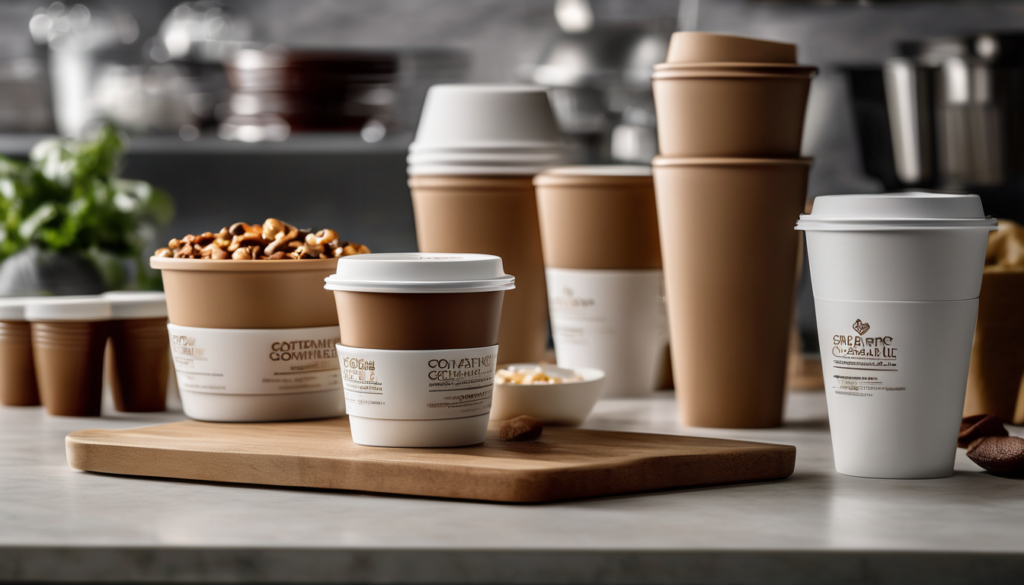
Food Delivery Apps and Packaging Standards: Quality Requirements That Drive Success
The explosive growth of food delivery platforms has fundamentally changed how restaurants approach packaging decisions. With millions of orders processed daily through apps like GoFood, GrabFood, and Shopee Food, food packaging Indonesia standards have become more stringent than ever. Delivery platforms now enforce specific packaging requirements that directly impact restaurant partnerships and customer satisfaction ratings.
This comprehensive case study examines how major food delivery apps establish packaging standards and what restaurants must know to meet these evolving requirements.
How Food Delivery Apps Establish Packaging Standards
Food delivery platforms operate on a foundation of customer satisfaction, which makes packaging quality a critical success factor. These apps typically establish standards through:
Performance-Based Metrics
- Customer complaint analysis: Apps track packaging-related complaints including leaks, temperature loss, and structural failures
- Rating correlation studies: Platforms analyze how packaging quality affects restaurant ratings and repeat orders
- Delivery success rates: Monitoring how packaging withstands transportation challenges
Vendor Compliance Programs
Leading delivery platforms now require restaurant partners to use certified packaging suppliers. For instance, establishments serving soups must use the best paper bowl for cream soup applications, ensuring leak-proof performance and temperature retention throughout delivery.
A prominent paper bowl supplier Indonesia like SEAL Indonesia works closely with delivery platforms to ensure products meet these evolving standards, providing restaurants with compliant solutions that maintain food quality during transport.
Key Packaging Requirements Across Major Platforms
Temperature Control Standards
Food delivery apps prioritize temperature maintenance as a core quality metric. Requirements include:
- Hot food containers: Must maintain temperatures above 60°C for 45-60 minutes
- Cold beverage packaging: Aluminium laminated cup solutions for extended temperature retention
- Ice cream delivery: Specialized containers from an ice cream cup manufacturer with superior insulation properties
Structural Integrity Requirements
Delivery apps enforce strict standards for packaging durability:
- Leak-proof certification: All liquid-containing packages must pass 24-hour leak tests
- Stack stability: Containers must withstand stacking pressures during multi-order deliveries
- Drop resistance: Packaging must survive standard handling scenarios without compromising food safety
Food Safety Compliance
Platforms require comprehensive food safety documentation, including food grade paper packaging certifications. This ensures all materials meet international safety standards and pose no contamination risks.
Case Study: Restaurant Chain Compliance Success
A major Indonesian restaurant chain faced declining delivery ratings due to packaging failures. After partnering with SEAL Indonesia, they implemented a comprehensive packaging upgrade:
Implementation Strategy
- Product assessment: Evaluated existing packaging against delivery app standards
- Solution customization: Developed specialized containers for different menu categories
- Performance monitoring: Tracked customer satisfaction improvements over 6 months
Results Achieved
The restaurant chain experienced:
- 42% reduction in packaging-related complaints
- 18% improvement in average delivery ratings
- 25% increase in repeat order rates
- 15% reduction in food waste due to better container performance
This success demonstrates how proper packaging selection, particularly when working with experienced suppliers, directly impacts business performance on delivery platforms.
Specialized Packaging Requirements by Food Category
Liquid and Soup Applications
Delivery apps maintain strict requirements for liquid-containing foods. Restaurants must use specialized containers that prevent leakage while maintaining temperature. The benefits of thermal insulation bags for food delivery become particularly important for soup and curry deliveries.
Beverage Standards
Coffee shops and beverage retailers face unique challenges with delivery app requirements. Platforms often mandate specific cup specifications, including double-wall construction and secure lid systems. Insulated food container for catering applications extend to large beverage orders requiring temperature maintenance over extended periods.
Frozen Product Requirements
Ice cream and frozen dessert delivery has created specialized packaging demands. Delivery platforms require containers with enhanced insulation properties and moisture resistance to prevent product degradation during transport.
Cost-Effective Compliance Strategies
Meeting delivery app packaging standards doesn’t require excessive spending. Strategic approaches include:
Volume-Based Solutions
Working with established suppliers enables restaurants to access compliant packaging at competitive prices. Restaurant packaging solutions for cost efficiency demonstrate how proper supplier partnerships reduce overall packaging costs while improving quality.
Multi-Purpose Container Selection
Choosing versatile packaging reduces inventory complexity while maintaining compliance across different food categories. SEAL Indonesia’s diverse product range allows restaurants to standardize on fewer container types without compromising performance.
Performance Optimization
Understanding current food packaging trends shaping Indonesia’s restaurant industry helps restaurants make informed decisions that align with both delivery app requirements and customer preferences.
Future Trends in Delivery Platform Standards
Sustainability Requirements
Environmental concerns are driving new packaging standards across delivery platforms. Apps increasingly favor restaurants using eco-friendly packaging solutions, creating competitive advantages for businesses that adopt sustainable practices early.
Smart Packaging Integration
Advanced tracking and quality monitoring technologies are beginning to influence packaging requirements. Future standards may include temperature logging capabilities and freshness indicators.
Customization Demands
As competition intensifies, delivery apps encourage restaurant differentiation through branded packaging solutions. This trend creates opportunities for businesses to enhance customer experience while meeting platform requirements.
Conclusion: Partnering for Packaging Success
Food delivery app packaging standards represent both challenges and opportunities for Indonesian restaurants. Meeting these requirements demands expertise, quality products, and strategic supplier relationships.
SEAL Indonesia’s comprehensive understanding of delivery platform requirements, combined with our extensive product range and custom solutions capability, positions restaurants for success in the competitive delivery market. Our food grade paper packaging solutions meet the highest industry standards while providing cost-effective performance.
From specialized aluminium laminated cups for temperature-sensitive beverages to durable containers for complex meal deliveries, SEAL Indonesia provides the packaging solutions that delivery platforms demand and customers appreciate.
Contact SEAL Indonesia today for premium food packaging solutions that meet delivery app requirements while enhancing your brand presence. Our expert team will help you navigate platform standards and implement packaging strategies that drive customer satisfaction and business growth.