
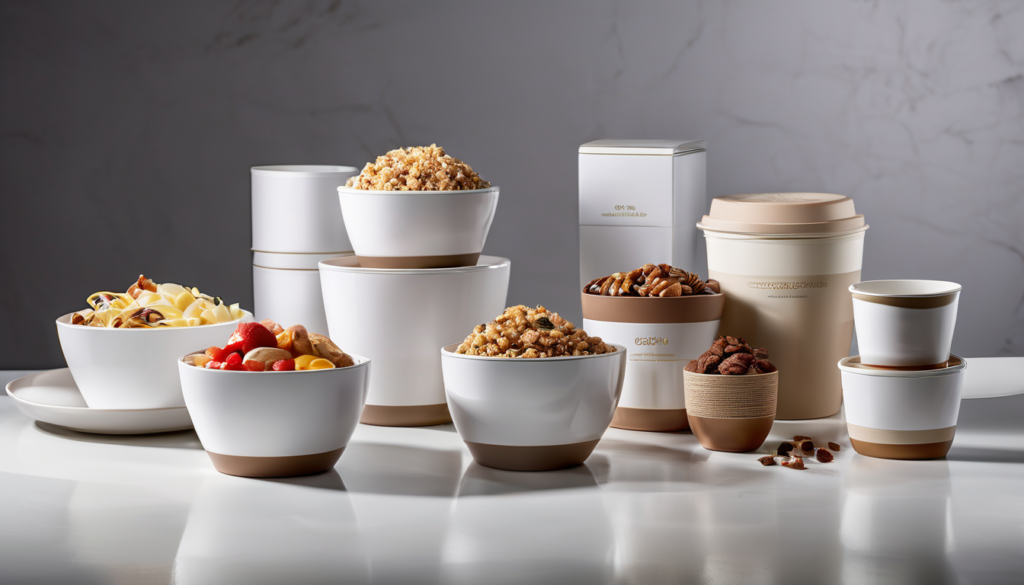
In today’s rapidly evolving food service industry, choosing the right food-grade paper packaging has become more critical than ever. With increasing consumer awareness about food safety and environmental sustainability, businesses need packaging solutions that meet strict regulatory standards while delivering exceptional performance.
Food-grade paper packaging represents the gold standard for safe, sustainable, and cost-effective packaging solutions. Whether you’re running a bustling restaurant, managing a coffee chain, or operating a food delivery service, understanding the intricacies of eco-friendly food packaging can significantly impact your business success and customer satisfaction.
Understanding Food-Grade Paper Packaging Standards
Food-grade paper packaging must comply with stringent safety regulations to ensure direct food contact is safe for consumers. These standards are established by international bodies including FDA, EU regulations, and local Indonesian food safety authorities.
Key Safety Requirements
All food-grade paper packaging must pass rigorous testing for:
- Migration testing: Ensuring no harmful substances transfer from packaging to food
- Heavy metal content: Strict limits on lead, cadmium, and other toxic metals
- Chemical resistance: Ability to withstand acidic and fatty foods without degradation
- Microbial safety: Packaging must not promote bacterial growth
- Temperature stability: Maintaining integrity under various temperature conditions
For businesses seeking reliable suppliers, understanding these standards is crucial. A reputable paper bowl supplier Indonesia will provide comprehensive certification documentation for all their products, ensuring compliance with local and international safety standards.
Types of Food-Grade Paper Packaging
The food service industry relies on various types of paper packaging, each designed for specific applications and food types. Understanding these options helps businesses make informed decisions about their packaging needs.
Paper Cups and Beverage Containers
Hot beverage cups represent one of the most demanding applications for food-grade paper packaging. These containers must withstand high temperatures while providing excellent insulation properties. Modern paper cups feature multiple layers including:
- Food-grade paper base layer
- Polyethylene (PE) coating for liquid resistance
- Optional insulation layers for heat protection
Coffee chains worldwide have been transitioning to more sustainable options, as detailed in our guide on how coffee chains are going green with paper cups, showcasing the industry’s commitment to environmental responsibility.
Food Containers and Bowls
Paper bowls and food containers serve diverse applications from hot soups to cold salads. The key considerations include:
- Grease resistance: Essential for containing oily or fatty foods
- Moisture barrier: Preventing liquid penetration and container failure
- Structural integrity: Maintaining shape under food weight and handling
- Stackability: Efficient storage and transportation
When selecting containers, businesses should consider factors outlined in our comprehensive guide on how to choose the right paper bowl for your restaurant.
Specialized Packaging Solutions
Certain food applications require specialized packaging solutions:
Ice cream containers: An experienced ice cream cup manufacturer understands the unique requirements for frozen dessert packaging, including moisture resistance and temperature stability.
Thermal packaging: A thermal insulation bag or thermal bag for food delivery maintains food temperature during transportation, crucial for delivery services and catering operations.
Benefits of Food-Grade Paper Packaging
Choosing food-grade paper packaging offers numerous advantages for food service businesses, from operational efficiency to environmental stewardship.
Environmental Advantages
Paper packaging provides significant environmental benefits compared to plastic alternatives:
- Biodegradability: Paper decomposes naturally within months, not decades
- Renewable resources: Made from sustainably managed forests
- Recyclability: Most paper packaging can be recycled through existing systems
- Lower carbon footprint: Production generates fewer greenhouse gases
Operational Benefits
From a business perspective, food-grade paper packaging offers:
- Cost-effectiveness: Competitive pricing with bulk purchasing options
- Lightweight design: Reduces shipping costs and storage requirements
- Customization options: Excellent surface for branding and printing
- Food safety: No chemical leaching concerns with proper food-grade materials
Customer Appeal
Modern consumers increasingly prefer businesses that demonstrate environmental responsibility. Paper packaging signals:
- Commitment to sustainability
- Health-conscious business practices
- Premium brand positioning
- Social responsibility
Choosing the Right Supplier
Selecting an appropriate supplier is crucial for ensuring consistent quality and reliable supply chains. A professional wholesale food packaging supplier Jakarta should demonstrate expertise in food-grade requirements and maintain comprehensive quality control systems.
Supplier Evaluation Criteria
When evaluating potential suppliers, consider these essential factors:
- Certification compliance: Valid food-grade certifications and regular testing
- Production capacity: Ability to meet your volume requirements consistently
- Quality consistency: Robust quality control processes and documentation
- Customization capabilities: Options for custom printing and sizing
- Supply chain reliability: Consistent delivery schedules and inventory management
For detailed guidance on supplier selection, reference our article on 5 tips for choosing food packaging supplier.
Quality Assurance
Reputable suppliers maintain stringent quality control measures including:
- Raw material testing and verification
- In-process quality monitoring
- Final product inspection and testing
- Traceability systems for quality issues
- Regular third-party audits and certifications
Applications Across Food Service Industries
Food-grade paper packaging serves diverse applications across the food service sector, each with specific requirements and considerations.
Restaurant and Quick Service
Restaurants rely heavily on paper packaging for:
- Takeout containers: Durable containers for various food types
- Beverage cups: Hot and cold drink service
- Food wrapping: Sandwiches and quick-serve items
- Portion control: Standardized serving sizes
Food Delivery Services
The booming food delivery industry has specific packaging needs:
- Temperature retention: Maintaining food quality during transport
- Leak prevention: Protecting delivery vehicles and customers
- Stackability: Efficient delivery bag packing
- Branding opportunities: Marketing through packaging design
Catering and Events
Catering services require packaging solutions that can handle:
- Large volume requirements
- Extended holding times
- Professional presentation
- Easy disposal and cleanup
Future Trends and Innovations
The food-grade paper packaging industry continues evolving with new technologies and sustainability initiatives driving innovation.
Emerging Technologies
Current developments in paper packaging include:
- Improved barrier coatings: Enhanced moisture and grease resistance
- Smart packaging: Temperature indicators and freshness sensors
- Biodegradable coatings: Eliminating plastic components entirely
- Enhanced insulation: Better temperature retention properties
Sustainability Initiatives
Industry trends toward greater sustainability include:
- Increased use of recycled content
- Development of fully compostable options
- Reduced packaging weight and material usage
- Improved recycling compatibility
Food-grade paper packaging represents the ideal intersection of safety, sustainability, and functionality for modern food service businesses. By understanding the standards, benefits, and applications outlined in this guide, businesses can make informed decisions that enhance their operations while meeting consumer expectations for environmental responsibility.
Success with paper packaging requires partnering with experienced suppliers who understand the complexities of food-grade requirements and can provide consistent, high-quality products. Whether you need specialized thermal solutions, custom-printed containers, or large-volume supply agreements, choosing the right packaging partner is essential for business success.
Contact SEAL Indonesia today for premium food packaging solutions that meet the highest standards of quality, safety, and sustainability. Our experienced team can help you select the perfect packaging solutions for your specific business needs while ensuring compliance with all relevant food safety regulations.