
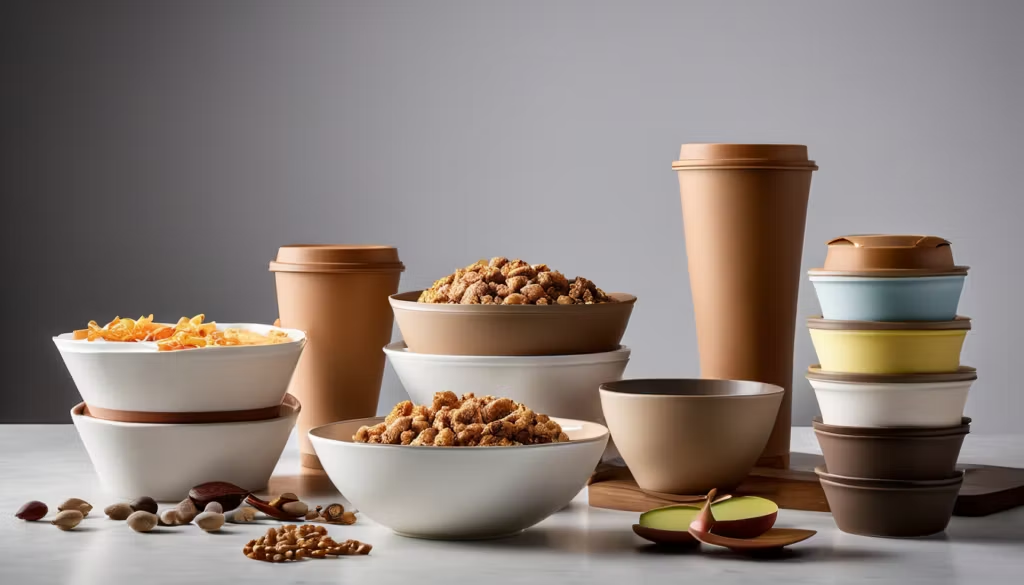
Complete Guide to Food-Grade Paper Packaging Solutions
In today’s competitive food and beverage industry, choosing the right packaging can make or break your business success. Food-grade paper packaging has become the gold standard for restaurants, cafes, and food delivery services seeking safe, sustainable, and cost-effective solutions. With growing consumer awareness about environmental impact and food safety, understanding the complete landscape of eco-friendly food packaging is crucial for any food business owner.
This comprehensive guide will walk you through everything you need to know about food-grade paper packaging, from safety standards to choosing the right supplier for your specific business needs.
Understanding Food-Grade Paper Packaging Standards
Food-grade paper packaging must meet strict safety and quality standards to ensure consumer health and product integrity. Unlike regular paper products, food-grade packaging undergoes rigorous testing and certification processes.
Key Safety Certifications
- FDA Compliance: Ensures materials are safe for direct food contact
- ISO Standards: International quality management systems
- HACCP Certification: Hazard analysis and critical control points
- BRC Standards: British Retail Consortium food safety protocols
When selecting a paper cup manufacturer or supplier, always verify these certifications. SEAL Indonesia maintains all necessary food-grade certifications, ensuring our products meet international safety standards for direct food contact applications.
Material Composition Requirements
Food-grade paper packaging typically consists of:
- Virgin or recycled food-grade paperboard
- Food-safe PE (polyethylene) coating for moisture resistance
- Non-toxic, food-grade inks for printing
- Water-based adhesives free from harmful chemicals
Types of Food-Grade Paper Packaging Products
The variety of food-grade paper packaging options available today caters to diverse business needs across the food service industry.
Paper Cups and Beverage Containers
Cold drink cups are specifically designed with moisture-resistant coatings to prevent condensation damage and maintain structural integrity. These cups are perfect for:
- Iced coffee and tea beverages
- Soft drinks and juices
- Smoothies and milkshakes
- Frozen dessert beverages
For hot beverages, aluminium laminated cups provide superior heat insulation, protecting both the beverage temperature and customer comfort.
Paper Bowls and Food Containers
Finding the best paper bowl for cream soup requires understanding heat retention properties and structural strength. Quality paper bowls feature:
- Multi-layer construction for heat resistance
- Leak-proof PE lining
- Reinforced rim design
- Microwave-safe materials
Take away food containers have evolved significantly, now offering compartmentalized designs, grease-resistant coatings, and stackable features for efficient storage and transport.
Specialized Packaging Solutions
Modern food businesses require specialized packaging for specific applications. Ice cream franchises, for example, need containers that maintain temperature while preventing freezer burn.
Environmental Benefits and Sustainability
The shift toward eco-friendly food packaging represents more than just a trend—it’s become a business necessity. Current environmental benefits include:
Biodegradability and Compostability
- Paper packaging decomposes naturally within 2-6 months
- Reduces landfill waste by up to 75% compared to plastic alternatives
- Supports circular economy principles
- Meets growing consumer demand for sustainable options
Renewable Resource Utilization
Paper packaging comes from renewable forest resources, and responsible manufacturers ensure:
- FSC (Forest Stewardship Council) certified materials
- Sustainable forestry practices
- Carbon footprint reduction through local sourcing
- Water-based, eco-friendly printing processes
As a leading paper bowl supplier Indonesia, SEAL Indonesia sources materials from certified sustainable forests, supporting both environmental conservation and local communities.
Choosing the Right Packaging for Your Business Type
Different food service businesses have unique packaging requirements based on their operational needs, customer demographics, and brand positioning.
Restaurant and Cafe Requirements
Full-service restaurants need versatile packaging solutions that maintain food quality during dine-in service and takeaway orders. Key considerations include:
- Heat retention for hot foods
- Moisture resistance for cold beverages
- Professional appearance for brand image
- Cost-effectiveness for high-volume operations
Food Delivery Service Needs
The food delivery sector requires packaging that withstands transport challenges while maintaining food quality. Essential features include:
- Secure lid closure systems
- Leak-proof construction
- Temperature maintenance capabilities
- Stackable design for delivery efficiency
Complementing paper containers, thermal insulation bags provide additional temperature control during transport, ensuring customer satisfaction.
Ice Cream and Frozen Dessert Applications
Frozen dessert businesses require specialized containers that:
- Prevent ice crystal formation
- Maintain structural integrity at low temperatures
- Provide easy portion control
- Offer attractive presentation options
Quality Assessment and Supplier Selection
Selecting the right packaging supplier impacts product quality, cost management, and customer satisfaction. Key evaluation criteria include:
Manufacturing Capabilities
- Production capacity to meet demand fluctuations
- Custom printing and branding options
- Quality control systems and testing procedures
- Delivery reliability and logistics support
Technical Specifications
Evaluate suppliers based on their ability to provide:
- Detailed product specifications and testing data
- Material composition transparency
- Performance guarantees for specific applications
- Ongoing technical support and consultation
Cost and Value Considerations
While price remains important, focus on total value including:
- Product durability and performance
- Minimum order quantities and flexibility
- Payment terms and bulk pricing options
- Long-term partnership potential
Implementation Best Practices and Storage Guidelines
Proper handling and storage of food-grade paper packaging ensures optimal performance and extends shelf life.
Storage Requirements
- Maintain humidity levels below 60% to prevent moisture absorption
- Store in clean, dry environments away from direct sunlight
- Use first-in, first-out inventory rotation
- Keep original packaging intact until use
Staff Training Considerations
Train your team on:
- Proper handling techniques to maintain hygiene
- Correct assembly methods for multi-component packages
- Quality inspection procedures
- Customer education about disposal and recycling
Future Trends and Innovations
The food packaging industry continues evolving with new technologies and consumer preferences. Current innovations include:
- Smart packaging with temperature indicators
- Enhanced barrier coatings for extended shelf life
- Plantbased alternative coatings
- Digital printing for personalized packaging
Conclusion
Food-grade paper packaging represents the perfect intersection of safety, sustainability, and functionality for modern food service businesses. From cold drink cups that maintain beverage quality to the best paper bowl for cream soup that preserves temperature and taste, the right packaging solutions directly impact customer satisfaction and business success.
Success in implementing food-grade paper packaging requires understanding safety standards, evaluating product options, selecting reliable suppliers, and following proper storage and handling procedures. As consumer preferences continue shifting toward environmentally responsible options, businesses that embrace high-quality eco-friendly food packaging will gain competitive advantages in the marketplace.
Whether you operate a bustling coffee chain, restaurant, or food delivery service, investing in premium food-grade paper packaging solutions pays dividends through improved customer satisfaction, reduced environmental impact, and enhanced brand reputation.
Contact SEAL Indonesia today for premium food packaging solutions tailored to your specific business needs. Our expert team provides consultation, custom printing options, and reliable supply chain management to support your success in the competitive food service industry.