
Catering businesses face unique packaging challenges that directly impact food safety, presentation, and customer satisfaction. The right disposable food container selection can make the difference between a successful event and a catering disaster. As Indonesia’s food service industry continues to expand, understanding proper packaging requirements has become crucial for catering success.
This comprehensive guide explores the essential packaging requirements every catering business must consider, from food safety regulations to practical transportation needs. Whether you’re serving corporate events, weddings, or private parties, the right packaging strategy ensures your culinary creations arrive in perfect condition.
Food Safety and Regulatory Compliance in Catering Packaging
Food safety forms the foundation of all catering packaging decisions. Food grade paper packaging must meet strict Indonesian health ministry standards, ensuring all materials are safe for direct food contact. Catering businesses must verify that their packaging suppliers provide proper food safety certifications and comply with national regulations.
Key regulatory requirements include:
- Temperature control standards for hot and cold foods
- Contamination prevention through proper sealing
- Allergen separation and clear labeling requirements
- Hygiene standards during packaging and transport
- Traceability documentation for food safety audits
Professional catering operations must maintain detailed records of their packaging suppliers and materials. This documentation proves essential during health inspections and demonstrates commitment to food safety standards. Partnering with certified suppliers like established manufacturers ensures compliance with evolving regulations.
Temperature Control Solutions for Catering Operations
Temperature maintenance represents one of the most critical aspects of catering packaging. Hot foods must remain above 60°C while cold items need to stay below 4°C during transport and service. This requirement demands sophisticated packaging solutions tailored to different food categories.
Hot Food Packaging Requirements
Hot food items require specialized containers that maintain temperature while preventing condensation. Aluminium laminated cups provide excellent heat retention for hot beverages, while insulated food containers preserve main dish temperatures. Steam vents prevent soggy textures while maintaining optimal serving temperatures.
Thermal insulation bag systems work in conjunction with individual containers to create comprehensive temperature control. Multi-layered insulation technology keeps entire meal services at proper temperatures for extended periods, essential for large-scale catering events.
Cold Food and Beverage Solutions
Cold drink cups and chilled food containers require different insulation properties to prevent condensation and maintain freshness. Double-walled containers with moisture barriers protect cold salads, desserts, and beverages from temperature fluctuations during transport.
Ice cream and frozen dessert catering demands specialized packaging with superior insulation properties. These containers must prevent melting while maintaining food safety standards throughout service periods.
Portion Control and Service Efficiency
Effective catering packaging streamlines service while ensuring consistent portion control. Different event styles require specific packaging approaches to maximize efficiency and guest satisfaction.
Buffet-Style Service Packaging
Buffet catering requires packaging that facilitates easy serving while maintaining food presentation. Large format containers with secure lids enable efficient setup while individual serving utensils maintain hygiene standards. Clear labeling systems help guests identify dishes and allergen information.
Chafing dish compatibility ensures smooth integration with existing service equipment. Packaging dimensions must align with standard chafing dish sizes to eliminate transfer requirements and reduce contamination risks.
Individual Portion Packaging
Boxed meals and individual portions require precise sizing to control costs while satisfying guests. Standardized container sizes enable accurate portion control and simplified logistics. Pre-portioned packaging also reduces on-site preparation time and staffing requirements.
Compartmentalized containers keep different food items separate while simplifying service. These solutions work particularly well for corporate catering where consistent presentation and easy distribution matter most.
Branding and Presentation Requirements
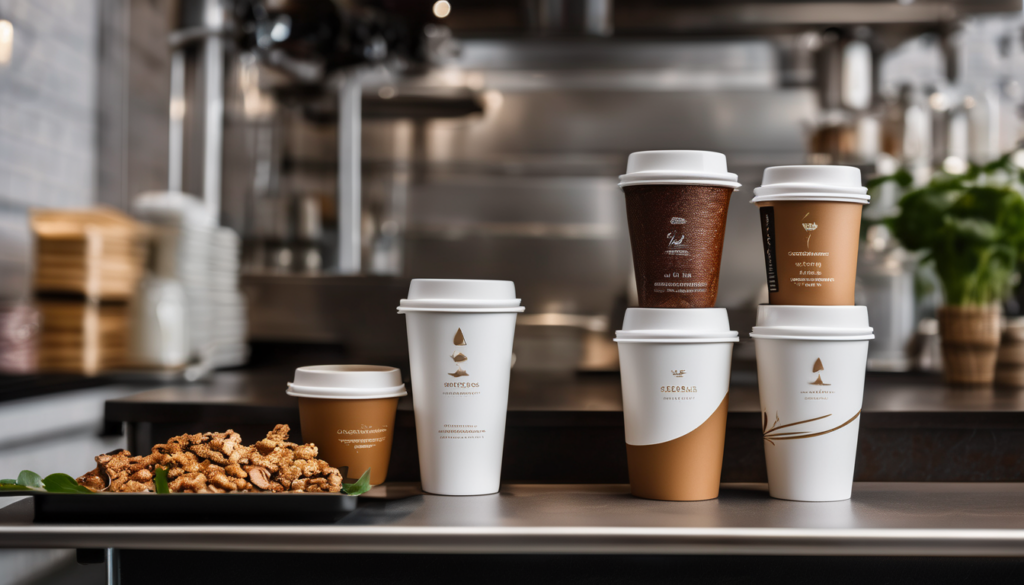
Professional catering packaging serves as a powerful marketing tool that reinforces brand identity and creates memorable experiences. Custom logo paper cup printing and branded containers distinguish professional caterers from competitors while building brand recognition.
Custom branding on paper cups creates lasting impressions at corporate events and private functions. Coordinated packaging designs across all containers create cohesive visual presentations that enhance perceived value and professionalism.
Key branding considerations include:
- Logo placement for maximum visibility
- Color coordination with event themes
- Contact information for future bookings
- Professional typography that reflects brand personality
- Consistent branding across all packaging elements
High-quality printing on packaging materials demonstrates attention to detail and professional standards. This investment in presentation often justifies premium pricing and generates referral business from impressed clients.
Transportation and Logistics Considerations
Catering packaging must withstand transportation challenges while maintaining food quality and presentation. Stackable designs maximize vehicle capacity while secure closures prevent spills during transport.
Thermal bag for food delivery systems integrate with various container sizes to create comprehensive transportation solutions. Professional thermal insulation bags provide crucial temperature control during extended transport periods common in catering operations.
Vehicle Loading and Unloading Efficiency
Packaging design directly impacts loading efficiency and staff productivity. Standardized container sizes enable systematic loading while handles and grips facilitate safe handling. Nested packaging saves storage space while reducing transportation costs.
Weight distribution considerations ensure vehicle safety while protecting food quality. Balanced loading prevents container damage and maintains food presentation throughout transport.
On-Site Setup Requirements
Event setup efficiency depends on packaging that transitions smoothly from transport to service. Easy-open designs reduce setup time while maintaining food safety standards. Disposable packaging eliminates cleanup requirements, reducing labor costs and simplifying logistics.
Packaging compatibility with serving equipment streamlines the transition from transport containers to service presentations. This integration reduces handling time and minimizes contamination risks during busy event setups.
Cost Management and Sustainability Balance
Successful catering operations balance packaging costs with quality and sustainability requirements. Eco-friendly packaging options meet growing environmental consciousness while controlling operational expenses.
Bulk purchasing strategies reduce per-unit costs while ensuring adequate inventory levels. Standardizing packaging sizes across different menu items simplifies ordering while achieving volume discounts from suppliers.
Sustainable packaging options align with corporate social responsibility goals while appealing to environmentally conscious clients. Paper-based packaging solutions offer biodegradable alternatives to traditional plastic containers without compromising food safety standards.
Conclusion
Successful catering businesses recognize that packaging requirements extend far beyond simple food containment. From regulatory compliance and temperature control to branding and logistics, every packaging decision impacts operational efficiency and customer satisfaction.
The right packaging partner provides comprehensive solutions that address all these requirements while supporting business growth. Quality packaging investments pay dividends through improved food safety, enhanced brand recognition, and operational efficiency gains.
Professional catering packaging requires expertise in food safety regulations, temperature control technology, and practical logistics solutions. Partnering with experienced manufacturers ensures access to the latest innovations while maintaining consistent quality standards.
Contact SEAL Indonesia today for premium food packaging solutions designed specifically for catering operations. Our comprehensive product range and custom printing capabilities help catering businesses meet all their packaging requirements while building stronger brand recognition.