
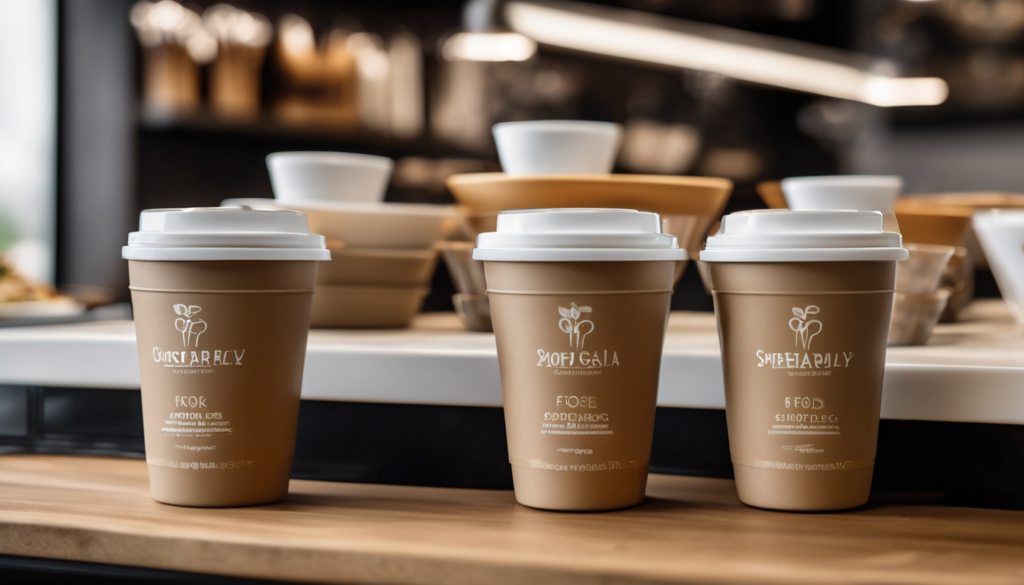
Essential Catering Business Packaging Requirements for Success
The catering industry in Indonesia faces unique packaging challenges that directly impact food safety, customer satisfaction, and business profitability. With the growing demand for catering services and stricter food packaging Indonesia regulations, understanding comprehensive packaging requirements has become crucial for sustainable business growth.
Modern catering businesses must navigate complex requirements including temperature control, food safety compliance, transportation durability, and brand presentation. This comprehensive guide explores the essential packaging elements that successful catering operations implement to maintain quality and exceed client expectations.
Understanding Core Packaging Standards for Catering Operations
Catering businesses operate under stringent food safety regulations that mandate specific packaging standards. The primary requirement is using food grade paper packaging that meets Indonesian health ministry standards and international certifications.
Key regulatory compliance areas include:
- Material safety certifications for direct food contact
- Temperature resistance capabilities for hot and cold items
- Moisture barrier properties to prevent contamination
- Structural integrity during transportation and handling
- Clear labeling requirements for allergens and ingredients
Successful catering companies typically work with certified suppliers who understand these complex requirements. The choice of packaging materials directly affects food quality, customer safety, and legal compliance, making supplier selection a critical business decision.
Temperature Control Solutions: Hot and Cold Item Management
Temperature maintenance represents one of the most challenging aspects of catering packaging. Different menu items require specialized containers and insulation solutions to preserve quality during transportation and service.
Hot Beverage and Food Packaging
For hot items, catering businesses require hot beverage cups and containers with superior heat retention properties. Double-wall paper cups with proper insulation prevent heat transfer while protecting handlers from burns. Similarly, hot food containers must maintain optimal serving temperatures for extended periods.
Professional catering operations often utilize thermal insulation bag systems that work in conjunction with appropriate containers. These bags create controlled environments that extend temperature maintenance periods significantly, ensuring food safety and quality preservation.
Cold Item Preservation Systems
Cold items present different challenges, requiring containers with condensation resistance and thermal barrier properties. Ice cream services, cold appetizers, and chilled beverages need specialized packaging solutions that prevent temperature fluctuation and maintain product integrity.
The integration of proper containers with thermal bag for food delivery systems creates comprehensive temperature control solutions. This approach ensures consistent quality delivery regardless of transportation duration or external weather conditions.
Durability and Transportation Requirements
Catering operations involve significant transportation and handling, making packaging durability essential for operational success. Containers must withstand stacking, movement, and various handling conditions while maintaining structural integrity.
Critical durability factors include:
- Stack strength for efficient transportation loading
- Leak resistance for liquid and sauce-based items
- Impact resistance during handling and setup
- Closure security to prevent accidental opening
- Base stability for safe serving and display
Professional catering businesses often test packaging solutions under real-world conditions before making bulk commitments. This approach helps identify potential issues and ensures packaging performance meets operational demands.
Branding and Custom Printing Considerations
Catering packaging serves dual purposes: functional protection and brand representation. Custom printed paper cups and containers provide valuable marketing opportunities while maintaining professional presentation standards that clients expect.
Effective branding strategies incorporate:
- Consistent visual identity across all packaging elements
- High-quality printing that withstands handling and moisture
- Strategic placement of logos and contact information
- Color schemes that enhance food presentation appeal
- Professional typography that reflects business quality standards
Many successful catering companies view custom packaging as essential marketing investment. Similar to how major coffee chains carefully select their paper cup suppliers for brand consistency, catering businesses benefit from professional packaging partnerships that understand branding requirements.
Specialized Packaging for Different Service Types
Different catering services require specialized packaging approaches based on service style, menu items, and client expectations. Understanding these variations helps businesses select appropriate packaging solutions for their specific market segments.
Corporate Event Catering
Corporate events typically require elegant, professional packaging that reflects the business environment. This includes premium containers with clean designs, secure closures, and easy handling features for busy professionals.
Wedding and Social Event Catering
Social events often emphasize presentation and aesthetic appeal. Packaging solutions must balance functionality with visual elegance, often requiring custom printing and premium material selections that enhance the overall event experience.
Large-Scale Event Catering
High-volume events require efficient packaging systems that facilitate quick service and easy cleanup. These solutions prioritize functionality, cost-effectiveness, and environmental responsibility while maintaining quality standards.
Just as restaurants must carefully choose appropriate paper bowls for their specific needs, catering businesses must align packaging choices with their service specializations.
Cost Management and Supplier Selection
Effective packaging cost management requires balancing quality requirements with budget constraints while ensuring consistent supply chain reliability. Successful catering businesses develop strategic relationships with suppliers who understand their operational needs and growth objectives.
Key supplier evaluation criteria include:
- Consistent quality standards and certification compliance
- Reliable delivery schedules and inventory management
- Competitive pricing with transparent cost structures
- Custom printing capabilities and design support
- Technical expertise and consultation services
Working with an established wholesale food packaging supplier Jakarta provides access to comprehensive product ranges, technical support, and economies of scale that benefit growing catering operations. Long-term supplier relationships often yield improved pricing, priority service, and collaborative product development opportunities.
The importance of premium custom packaging solutions extends beyond immediate functional needs, contributing to brand building and customer retention that drives long-term business success.
Environmental Responsibility and Sustainability
Current consumer awareness and regulatory trends increasingly emphasize environmental responsibility in packaging choices. Catering businesses must balance functionality requirements with sustainable material selections and waste reduction strategies.
Sustainable packaging approaches include:
- Recyclable and biodegradable material selection
- Right-sizing containers to minimize material waste
- Reusable thermal bag systems for delivery operations
- Local supplier partnerships to reduce transportation impact
- Customer education about proper disposal methods
Many catering companies find that sustainable packaging choices enhance their market positioning and appeal to environmentally conscious clients, creating competitive advantages while supporting responsible business practices.
Conclusion: Building Success Through Strategic Packaging Choices
Successful catering businesses recognize that packaging requirements extend far beyond simple food containment. Comprehensive packaging strategies encompass food safety compliance, temperature control, durability, branding, cost management, and environmental responsibility.
The complexity of these requirements makes professional packaging partnerships essential for sustainable business growth. Working with experienced suppliers who understand catering industry challenges provides access to specialized solutions, technical expertise, and reliable support that enables operational excellence.
SEAL Indonesia brings decades of experience helping catering businesses navigate complex packaging requirements while achieving their quality and branding objectives. Our comprehensive product range includes specialized thermal solutions, custom printing capabilities, and food-grade materials that meet the highest safety standards.
Contact SEAL Indonesia today for premium food packaging solutions tailored to your catering business needs. Our expert team provides consultation, custom design services, and reliable supply chain support that helps your catering operation achieve consistent quality and professional presentation standards.