
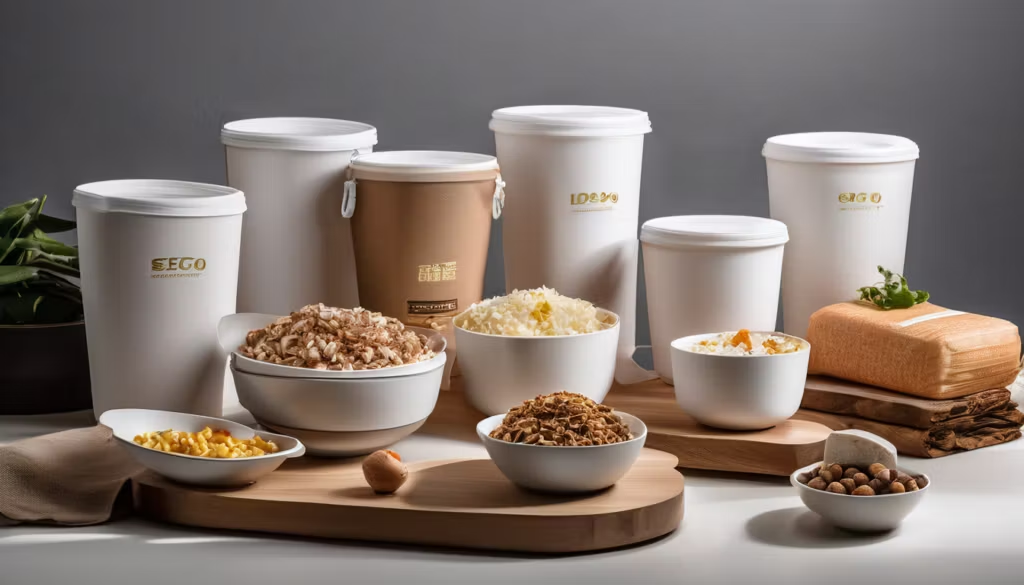
The explosive growth of Indonesia’s food delivery market has created unprecedented challenges for restaurants and catering services. One critical issue that can make or break a food delivery business is temperature retention – ensuring hot foods stay hot and cold items remain fresh during transit. This is where thermal insulation bags for food delivery become game-changers, transforming how businesses maintain food quality and customer satisfaction.
As a leading paper cup manufacturer and packaging solutions provider, SEAL Indonesia understands that successful food delivery extends beyond just containers to comprehensive thermal protection systems that preserve the dining experience from kitchen to customer.
Superior Temperature Retention for Optimal Food Quality
The primary advantage of using a thermal bag for food delivery lies in its exceptional ability to maintain food temperatures during transport. These specialized bags utilize advanced insulation materials that create a barrier against external temperature fluctuations.
How Thermal Insulation Technology Works
Modern thermal insulation bags employ multiple layers of reflective materials and foam insulation to create an effective thermal barrier. This technology can maintain hot food temperatures above 60°C for up to 2 hours, while keeping cold items below 4°C for extended periods.
Key temperature retention benefits include:
- Maintaining food safety standards during delivery
- Preserving texture and flavor profiles of hot dishes
- Preventing condensation that can affect food presentation
- Reducing food waste due to temperature-related spoilage
For businesses serving hot beverages in custom printed paper cups or delivering soup in specialized soup bowl packaging, thermal bags ensure customers receive products at optimal serving temperatures, enhancing their overall dining experience.
Cost Savings and Operational Efficiency
Investing in quality thermal insulation bags delivers substantial long-term cost benefits for food delivery operations. These savings manifest across multiple operational areas, making thermal bags a smart business investment.
Reduced Food Waste and Returns
Temperature-compromised food leads to customer complaints, returns, and waste disposal costs. Thermal bags significantly reduce these issues by maintaining food quality throughout the delivery process. Restaurants using proper thermal insulation report up to 40% fewer temperature-related customer complaints.
Enhanced Delivery Efficiency
Thermal bags allow delivery personnel to handle multiple orders simultaneously without compromising food quality. This improved efficiency translates to:
- Increased delivery capacity per driver
- Reduced fuel costs through optimized routes
- Lower labor costs per delivery
- Improved profit margins on delivery services
Combined with appropriate biodegradable food packaging solutions, thermal bags create a comprehensive delivery system that balances cost-effectiveness with environmental responsibility.
Enhanced Customer Satisfaction and Brand Reputation
Customer satisfaction in food delivery heavily depends on receiving food that tastes as good as dining in-restaurant. Thermal insulation bags play a crucial role in meeting these expectations and building positive brand associations.
Consistent Food Quality
Customers expect their delivered meals to maintain restaurant-quality standards. Thermal bags ensure that hot dishes arrive steaming, cold beverages stay refreshing, and frozen desserts maintain their texture. This consistency builds customer trust and encourages repeat orders.
Professional Brand Image
High-quality thermal bags with custom logo paper cup printing and branding create a professional appearance that reflects positively on your business. This professional presentation contributes to:
- Increased customer confidence in your service
- Enhanced brand recognition and recall
- Positive word-of-mouth marketing
- Competitive differentiation in the market
For insights on comprehensive branding strategies, explore our guide on food delivery packaging solutions that work best for business success.
Versatility Across Different Food Types
Modern thermal insulation bags offer remarkable versatility, accommodating various food categories and packaging types. This adaptability makes them essential for diverse food service operations.
Hot Food Applications
Thermal bags excel at maintaining temperatures for:
- Pizza and baked goods
- Fried foods and grilled items
- Hot beverages in insulated containers
- Soup and stew deliveries
- Rice and noodle dishes
Cold and Frozen Item Protection
These bags also provide excellent insulation for cold items, including:
- Ice cream and frozen desserts
- Fresh salads and cold appetizers
- Dairy products and beverages
- Seafood and perishable items
Understanding temperature retention principles helps businesses choose the right thermal bag solutions for their specific menu items.
Environmental Benefits and Sustainability
Current environmental consciousness among consumers makes sustainability a crucial business consideration. Thermal insulation bags contribute to environmental responsibility in several meaningful ways.
Reduced Food Waste
By maintaining food quality during delivery, thermal bags significantly reduce food waste – a major environmental concern. Less food waste means reduced methane emissions from landfills and more efficient resource utilization.
Reusable and Durable Design
Quality thermal bags are designed for thousands of uses, making them an environmentally sound investment compared to single-use alternatives. This durability reduces packaging waste and supports circular economy principles.
Supporting Eco-Friendly Packaging Systems
Thermal bags complement sustainable packaging materials, creating comprehensive eco-friendly delivery solutions. When paired with biodegradable containers and recyclable packaging, they support businesses’ sustainability goals.
Learn more about sustainable packaging trends in our comprehensive analysis of food packaging trends transforming Indonesia’s F&B industry.
Choosing the Right Thermal Insulation Solution
Selecting appropriate thermal insulation bags requires careful consideration of your specific business needs, menu items, and delivery logistics. Key factors to evaluate include:
Size and Capacity Requirements
Consider your typical order sizes and packaging dimensions when selecting thermal bags. Options range from small bags suitable for individual meals to large catering-sized containers for bulk orders.
Insulation Performance Specifications
Different insulation materials offer varying performance levels. Evaluate your delivery timeframes and temperature requirements to choose bags with appropriate thermal retention capabilities.
Durability and Maintenance
Commercial-grade thermal bags should withstand frequent use, cleaning, and handling. Look for reinforced seams, quality zippers, and easy-to-clean interior surfaces.
When combined with quality food containers and professional packaging solutions, thermal bags create a comprehensive delivery system that supports business growth and customer satisfaction.
Conclusion: Investing in Delivery Excellence
Thermal insulation bags represent a strategic investment in food delivery excellence, offering benefits that extend far beyond simple temperature control. From cost savings and operational efficiency to enhanced customer satisfaction and environmental responsibility, these specialized bags address multiple business challenges simultaneously.
For food service businesses serious about delivery success, thermal insulation bags are not optional accessories – they’re essential tools for maintaining competitive advantage in Indonesia’s dynamic food delivery market.
Ready to enhance your food delivery operations with premium thermal insulation solutions? Contact SEAL Indonesia today for custom thermal bag solutions that complement our comprehensive range of food packaging products, including custom printed paper cups, biodegradable containers, and professional packaging systems designed for Indonesian food service businesses.