
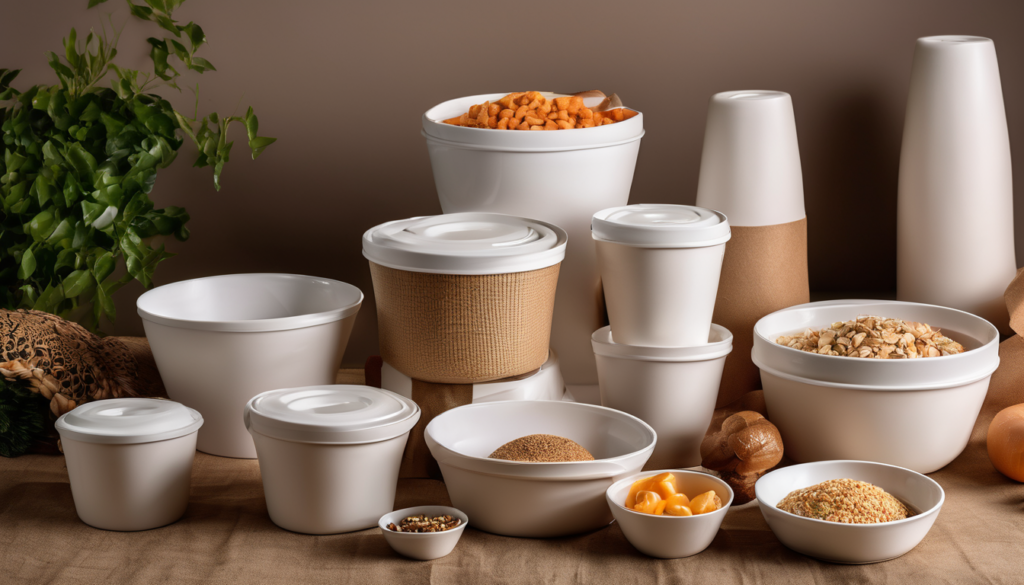
In Indonesia’s rapidly growing food delivery market, maintaining food quality during transportation has become a critical challenge for restaurants, coffee shops, and delivery services. With the rise of online food ordering platforms, businesses are discovering that thermal insulation bags for food delivery are no longer a luxury but an essential investment for customer satisfaction and business success.
The food delivery industry in Indonesia has grown exponentially, with market value reaching billions of dollars annually. However, this growth brings unique challenges: how do you ensure that hot foods stay hot and cold items remain chilled during the journey from kitchen to customer? The answer lies in understanding the comprehensive benefits of thermal insulation bags and how they integrate with other eco-friendly food packaging solutions.
Temperature Control: The Foundation of Food Quality
The primary benefit of thermal insulation bags is their superior temperature retention capability. These specialized bags can maintain food temperatures for 2-4 hours, depending on the quality of insulation and external conditions. This is particularly crucial for Indonesian food delivery services operating in tropical climates where external temperatures can significantly impact food quality.
Hot Food Preservation
For hot meals, thermal insulation bags prevent heat loss that typically occurs during transportation. Research shows that food temperatures can drop by 15-20 degrees Celsius within 30 minutes without proper insulation. This temperature drop not only affects taste but can also compromise food safety standards.
- Maintains optimal serving temperatures (above 60°C for hot foods)
- Preserves food texture and flavor profiles
- Extends the safe consumption window for customers
- Works effectively with paper bowl containers and other hot food packaging
Cold Item Protection
For beverages, ice cream, and chilled items, thermal insulation bags prevent temperature rise and condensation. This is especially important for businesses using aluminium laminated cups or specialized containers that require consistent temperature control.
Enhanced Customer Experience and Satisfaction
Customer satisfaction in food delivery heavily depends on receiving food at the right temperature. Studies indicate that 78% of customers rate temperature as the most important factor in delivery satisfaction, even above delivery speed. Thermal insulation bags directly address this concern by ensuring consistent quality.
Brand Reputation Benefits
Restaurants and coffee chains that invest in quality thermal insulation bags often see:
- Increased customer retention rates (up to 35% improvement)
- Higher review ratings on delivery platforms
- Reduced complaints about food temperature
- Enhanced brand perception as a quality-focused establishment
Major coffee chains understand this principle well, which is why they carefully select their packaging solutions, including thermal bags. As discussed in our guide on how major coffee chains choose their paper cup suppliers, temperature retention is a key consideration in their packaging strategy.
Cost-Effectiveness and ROI for Food Businesses
While thermal insulation bags require an upfront investment, they provide significant long-term financial benefits for food delivery businesses. The return on investment typically becomes apparent within 3-6 months of implementation.
Reduced Food Waste and Returns
Temperature-compromised food often leads to customer complaints, returns, and waste. Thermal insulation bags can reduce these issues by up to 60%, translating to substantial cost savings. For a medium-sized restaurant handling 100 deliveries daily, this could mean savings of 15-20 orders per day that would otherwise be wasted or returned.
Operational Efficiency
- Reduced customer service calls about temperature issues
- Lower refund and replacement costs
- Improved delivery driver efficiency with organized, insulated transport
- Enhanced partnerships with delivery platforms due to higher customer ratings
Environmental Benefits and Sustainability
Modern thermal insulation bags align with growing environmental consciousness among Indonesian consumers. Many are designed as reusable solutions that complement biodegradable food packaging strategies.
Sustainable Materials
Quality thermal insulation bags are often made from recyclable materials and designed for long-term use. This durability reduces waste compared to single-use alternatives and supports businesses in their sustainability goals. When combined with eco-friendly food packaging solutions like biodegradable containers and cups, businesses can create a comprehensive sustainable delivery system.
Reduced Carbon Footprint
By preventing food waste and reducing the need for replacement deliveries, thermal insulation bags contribute to lower carbon emissions. Each prevented re-delivery saves fuel and reduces environmental impact.
Integration with Complete Packaging Solutions
Thermal insulation bags work best when integrated with appropriate food packaging systems. This includes selecting the right containers, cups, and packaging materials that complement the insulation properties.
Packaging Compatibility
Different food types require specific packaging approaches within thermal bags:
- Hot beverages: Work well with insulated cups and eco friendly coffee cup Indonesia solutions
- Ice cream and frozen items: Require specialized containers, as detailed in our packaging solutions for ice cream franchises guide
- Hot meals: Benefit from proper bowl and container selection, covered in our article about choosing the right paper bowl for your restaurant
- Mixed orders: May require compartmentalized insulation systems
Custom Branding Opportunities
Many thermal insulation bags offer custom printing options, allowing businesses to extend their brand visibility during deliveries. This creates mobile advertising opportunities while maintaining food quality. Combined with custom logo paper cup printing and other branded packaging elements, thermal bags become part of a cohesive brand experience.
Selection Criteria for Indonesian Food Businesses
When choosing thermal insulation bags for food delivery operations in Indonesia, consider these essential factors:
Climate Considerations
Indonesia’s tropical climate presents unique challenges for food delivery. High humidity and temperatures require insulation bags with superior moisture resistance and enhanced cooling capabilities.
Size and Capacity Options
- Small bags for individual orders and beverages
- Medium bags for family-sized meals
- Large bags for catering and bulk orders
- Specialized compartments for different temperature requirements
Durability and Maintenance
Look for bags with easy-clean surfaces, reinforced seams, and materials that can withstand frequent use in humid conditions. Quality insulation bags should maintain their effectiveness for 12-24 months with proper care.
Implementation Strategy for Food Businesses
Successfully implementing thermal insulation bags requires a systematic approach that considers operational workflows, staff training, and customer communication.
Staff Training
Proper usage of thermal insulation bags requires training delivery staff on:
- Correct packing procedures for different food types
- Bag maintenance and cleaning protocols
- Temperature monitoring techniques
- Customer delivery best practices
Quality Monitoring
Implement systems to monitor the effectiveness of thermal insulation bags, including temperature checks, customer feedback analysis, and regular bag condition assessments.
Future Trends and Innovations
The thermal insulation bag industry continues to evolve with new technologies and materials. Smart insulation bags with temperature monitoring capabilities and app integration are becoming available, offering real-time tracking of food conditions during delivery.
As Indonesian consumers become increasingly quality-conscious and environmentally aware, businesses that invest in comprehensive packaging solutions, including thermal insulation bags, position themselves for long-term success in the competitive food delivery market.
Conclusion
Thermal insulation bags represent a strategic investment for Indonesian food delivery businesses seeking to improve customer satisfaction, reduce operational costs, and enhance their competitive position. The benefits extend beyond simple temperature control to encompass customer experience, cost savings, environmental responsibility, and brand differentiation.
For businesses operating in Indonesia’s dynamic food delivery market, thermal insulation bags are not just accessories—they’re essential tools for success. When combined with appropriate packaging solutions from reliable suppliers, they create a comprehensive system that ensures food quality from kitchen to customer.
Ready to enhance your food delivery operations with premium thermal insulation bags and complete packaging solutions? Contact SEAL Indonesia today for custom packaging solutions tailored to your business needs. As a leading paper bowl supplier Indonesia and provider of comprehensive eco-friendly food packaging solutions, we help businesses maintain food quality while building stronger customer relationships.